PARIS — As lines snake outside flagship boutiques in Paris and luxury brands grapple with slowing growth, resale platform ReSee is betting that scarcity and customer service will resonate with high-end clients.
The Paris-based company is launching The Circle, a membership program offering early access to high-demand archival pieces and priority fulfilment in its first tier, and 24-hour reservations and selective returns at its top level. The launch follows the rapid sell-out of French actress Amira Casar’s collection, where highly coveted pieces were snapped up within minutes and the average item sold in under three days.
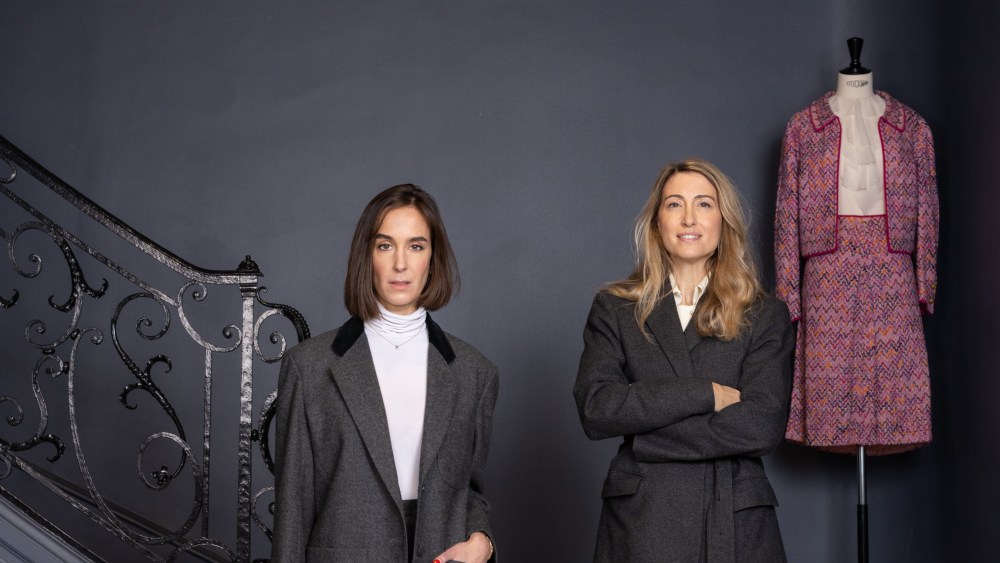
“The success of the Amira Casar archive sale confirmed what we have been observing for some time,” said cofounder Sofia Bernardin. “When demand is immediate and supply is singular, access becomes an integral part of the value of the piece itself.”
You May Also Like
ReSee has built a business around tightly curated runway pieces — from Tom Ford-era Gucci to Phoebe Philo’s Céline and Nicolas Ghesquière’s Balenciaga — alongside selective private wardrobe sales. Its customers largely mirror traditional luxury buyers.
“Our clients, ever since we’ve launched, are really clients from normal luxury retail channels. These are women who buy at Celine or Chanel and Hermès,” she said. As the resale market matures and consolidates around fewer serious players, the customer base is evolving as well.
“Instead of opportunistic buying…people are really buying with a lot of intention and logic, and they’re looking for service behind that,” she said.
The Circle, priced at 32 euros per month for early access and priority shipping, or 54 euros per month for added privileges including reservations and flexible size-related returns, formalizes a personalized approach ReSee already extends to top clients. “It’s not about driving more transactions,” Bernardin said. “It’s just about building more loyalty with them.”
The strategy follows interactions used by luxury houses, where sales associates discreetly preview merchandise to their best customers. “When you look at the big luxury brands, the salespeople call their best clients up and they’re like, come look at this before anybody else,” Bernardin said. Translating that dynamic to e-commerce requires more structure than most resale platforms currently offer. “We wanted to build an environment to formalize that.”
The launch also comes amid broader shifts in luxury sentiment. “Customers were feeling maybe a little bit discouraged by quality and also the customer service has changed so much,” Bernardin said, pointing to queues outside Paris boutiques. “That’s not what the luxury experience should be.”
Archival fashion offers both product differentiation and storytelling, she added. “[Clients] get these one-of-a-kind pieces. They get these moments in fashion where, maybe pieces were designed or fabricated a little bit differently, where there’s a great story behind the runway collection, or it was really indicative of a certain moment in time that was really joyful — and everyone’s looking for that right now.”
The bet appears particularly resonant in the U.S., which has been ReSee’s largest market since its launch in 2013. The company opened a New York office and studio last year and now employs five staff sourcing across the country, listing and fulfilling product locally. About 70 percent of pieces sourced in the U.S. sell domestically, she added, helping keep the business circular and local.
France remains key for heritage sourcing, however, including ’70s Saint Laurent and ’80s Alaïa. “There are unbelievable collections all over France. I’m blown away every day,” Bernardin said.
That emphasis on curation and control differentiates ReSee from peer-to-peer marketplaces, where delivery and quality can be less predictable. American clients, she added, particularly value service. “We literally jump through hoops for our clients and make sure that everything comes to them in an impeccable condition.”
Longer term, Bernardin sees membership as part of a more structured relationship between resale and primary luxury brands. Labels that once sent cease-and-desist letters now increasingly recognize the data and brand equity available in the secondary market. When resale honors a brand’s heritage, it can reinforce marketing and craftsmanship stories rather than dilute them, she said.
For ReSee, The Circle is less about subscription revenue than about strengthening ties in a tightening luxury environment.
“Launching The Circle is really an element of deepening the relationships with these clients,” Bernardin said. “When they are part of this membership and they are getting product first or products they really covet, they will also purchase more. But for us, it’s really more about a service that we’re offering more than a specific revenue driver.”