
LONDON — Watches of Switzerland has struck gold across America, with sales growing more than 20 percent and demand for designs made from precious metals still going strong.
And just like those 19th century prospectors in the foothills of the Sierra Nevada, the watches and jewelry retail group has been investing time, money and energy in the U.S., where revenue is now in excess of $1 billion.
Sales are coming from Watches of Switzerland‘s eponymous multibrand showrooms and branded stores in places such as New York City, Las Vegas, Cincinnati and Minneapolis, and its burgeoning portfolio of regional watch and jewelry retailers across the country.
You May Also Like
In January, the group acquired Deutsch & Deutsch, the Texas-based, family-owned luxury watch and jewelry retailer with four showrooms in El Paso, Laredo, McAllen and Victoria, Texas. The retailer offers similar brands to Watches of Switzerland, and is an official distributor of Rolex, Roberto Coin, Cartier, Omega, and IWC Schaffhausen.
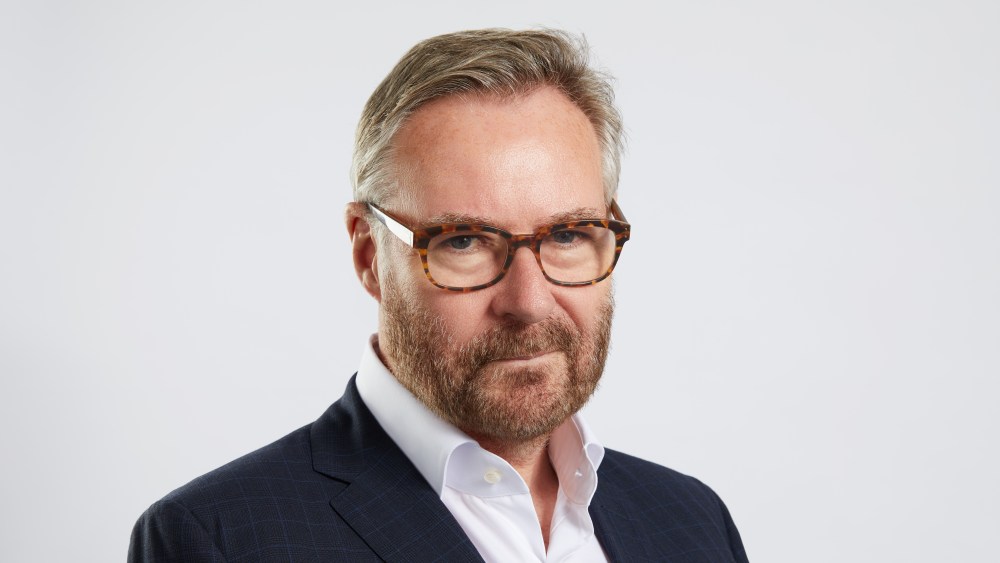
Brian Duffy, chief executive officer of Watches of Switzerland group, the U.K.’s largest luxury watch retailer, believes there is even more opportunity to expand in the U.S.
“We have long believed the market was under-invested and under-developed, and that it never quite recovered,” from the financial crisis in 2008. “At first, we saw an opportunity of investing in big store formats, much like we’ve successfully done in the U.K.,” he said.

In 2019, the retailer took one of the largest, most high-profile locations at Hudson Yards for the first Watches of Switzerland showroom and later opened another Manhattan flagship in SoHo.
Then it began looking farther afield, buying retailers such as Florida-based Mayors jewelers; Betteridge, which has shops in high net-worth locations such as Greenwich, Conn.; Aspen and Palm Beach, and Analog Shift in New York, which specializes in pre-owned watches.
It added Hodinkee, a media and sales platform, and acquired the exclusive distribution rights for Roberto Coin in the U.S., Canada, Central America and the Caribbean. In the U.K., Watches of Switzerland owns Mappin & Webb and Goldsmiths jewelers.
Duffy said buying smaller U.S. retailers has given Watches of Switzerland immediate access to store networks, head and back-office resources and expert staff, and stressed the acquisitions drive is far from over.
“We’d love to do more, and there’s nowhere in America where we wouldn’t consider going” if the demographics make sense and the opportunity is right, he said. “We invest for high-quality growth, and we’re always looking for opportunities, whether they are acquisitions or the chance to build or expand stores.”

It also happens to be a good time to buy smaller retailers in the U.S., Duffy said, because of the increasing challenges of the industry.
“Scale is important in this business, in part because of the challenges of technology, and cyber protection. The world has gotten more complicated and it has become more difficult to be a small retailer. But we have scale, expertise in the end systems, and in digital and social media cyber protections,” he said.
Asked about how Watches of Switzerland works with the family-run businesses once the deals are done, Duffy said the group takes a soft-touch approach.
“We don’t go in there with predetermined plans. We look at the fundamentals of the business, the brands, the teams, the awareness, and then we see how we can help. We don’t go in saying ‘Here’s the formula, here’s what we’re going to do.’ We want to understand what has made these business so successful, and how we can work together, and build confidence in one another,” said Duffy.
“That’s exactly where we are with Deutsch & Deutsch right now. They’re a great family with really interesting store locations in places like El Paso and Laredo where there are concentrations of wealth. And they carry similar brands to Watches of Switzerland,” he said.
That nuanced, slow-burn investment in the U.S. has been paying dividends. With Europe in a growth rut, the Middle East in turmoil and still-sluggish demand for luxury in China, the U.S. has been the group’s main growth engine.

In the first fiscal half, the U.S. grew 20 percent, despite higher tariffs. The region accounted for a little less than half of overall group revenue, which rose 10 percent to 845 million pounds in the six months ended Oct. 26.
The company said luxury watch sales in the U.S. were strong across brands and price points, while Roberto Coin’s wholesale sales rose 16 percent on a constant currency basis.
Duffy said despite the spike in precious metal prices over the past year, sales of gold watches have been “unaffected,” for a variety of reasons.
“The economy, particularly for those who are asset rich, has been good. People have disposable income, particularly the higher-income groups. And when those groups are buying, it’s less about affordability,” he said.
By comparison Europe, including the U.K., has been subdued. Demind in China is tepid, while the Middle East had been robust until the conflict in Iran.
On a positive note, Duffy said the watch brands are well-oiled machines, and accustomed to navigating the ups and downs of the business. Brands are also benefiting from a new attitude to purchasing, selling and collecting, in the U.S., and elsewhere.

“I do think there’s a safe haven element in buying watches. People see what’s happening to the value of gold — and that only increases the attraction of gold. We call watches a ‘rational indulgence’ because you don’t need the product, but you can convince yourself that you’re making a smart purchase because it will retain its value, it can be a good investment and it’s liquid,” he said.
“Today, more so than ever, there’s no stigma at all about selling your watch. It’s accepted that you can sell your watch to buy a motorbike, go on holiday — or maybe buy another watch,” he added.
In terms of trends, Duffy said smaller case sizes for both men’s and women’s watches are growing in popularity, contrary to what was happening a few years ago.
There is also continued growth in women’s watches, driven by self-purchasing and a demand for jewelry-inspired timepieces, especially steel-and-diamond combinations.
He said dials remain “a great source of newness and innovation,” with blue, turquoise and green ones all having a moment. Duffy said turquoise in particular blends well with gold, while green chimes beautifully with yellow gold.
Bracelets and straps are changing, too, with a move away from leather and exotic skins toward rubber, synthetics and other materials, due partly to environmental reasons.

In the midst of all the openings and push for newness, and growth, challenges in the overall business remain.
Duffy said he’s concerned the watch industry overall continues to be challenged on volume.
“With prices rising, volumes have been falling in recent years and I’m conscious of its impact on the infrastructure in Switzerland and on the smaller component manufacturers. They are not getting the benefit of the price increases, and they have to deal with the volume reduction,” Duffy said.
He added that Watches of Switzerland is following the situation closely, “and doing everything we can to encourage the small watchmakers, which in turn helps the small component manufacturers.”
He also has faith in the industry to support the smaller manufacturers. Watchmaking, he said, “is such a well-managed category by the Swiss, which means that you get a real focus on product quality and innovation and long-term thinking. That is one of the great strengths of the category.”