This year, textile industry leaders decided to tackle a conversation on the current cotton industry in a new way.
During Climate Week NYC in September, Dana Davis Consulting convened a roundtable with 35 sourcing, materials, product and sustainability leaders. Rather than listening to a panel, fashion executives actively discussed how they can future-proof their industry. Following this event, agricultural biotechnology company Avalo synthesized the conversation into a set of “new rules” for building resilience into textile supply chains.
“Fashion is an agricultural business, whether it thinks of itself that way or not,” said Tricia Carey, chief commercial officer at Avalo. “The leaders in that room weren’t waiting for permission. They were already looking for ways to share risk with growers, invest in resilience, and make cotton work for the next decade, not just the next season.”
Avalo’s report states that current dynamics are making the cotton growing business unmanageable.
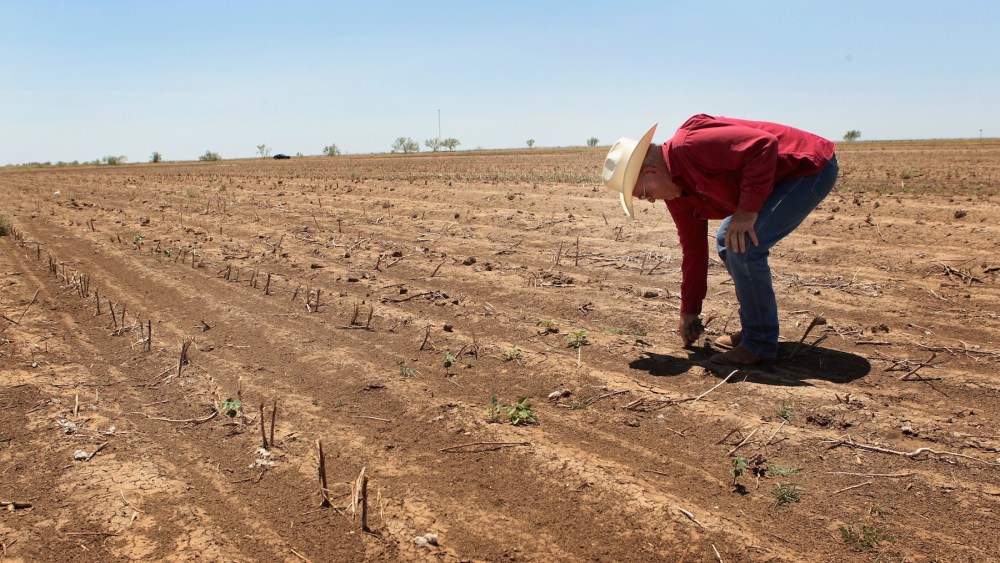
It points to how disruptions in the Strait of Hormuz this year have demonstrated the vulnerability of global supply chains. Oil markets are experiencing ongoing volatility. The report suggests that oil extraction may be approaching a point where its energy demands outweigh its economic viability, fundamentally reshaping the global economy. This year, climate change also affected crops with record heat in Pakistan and northern India, floods in Bangladesh, and worsening droughts in Texas and Australia.
Farmers are now having to rely on insurance or subsidies, meanwhile the farm base is also shrinking with cotton growers leaving the business.
The report outlines 11 “new rules,” or considerations for supply chain strategy. The first is that brands need to create costing models that account for the risk that has become part of the new reality. Cotton should not be considered a stable line item, but should model possibilities like crop failure and price spikes into their costing.
Brands should also know what gins and regions their fiber comes from to allow sourcing and design teams to anticipate interruptions. The report suggests tying every purchase order to fiber origin, not only to Tier 1.
Dinelle Salvador, business development manager at TextileGenesis, said, “Traceability used to be about telling a better consumer story. Now it’s how sourcing teams see disruptions coming and prove where their fiber comes from.”
The current system places too much of the risk on the farmers. Brands should form pre-season or multi-season agreements to give farmers guaranteed buyers and committed volume. The report suggests this might require flexibility or creativity in a bad year but explains that brands have many opportunities for efficiencies, like fewer fabric SKUs or tighter sampling.
Brands should seek out increasingly regenerative cultivation. While there isn’t yet a globally recognized definition for “regenerative,” organizations like U.S. Cotton Trust Protocol or the Better Cotton Initiative can help brands source growers that use strategies like cover-cropping, tilling-reduction, and strategic grazing. Brands that seek out these producers will secure a more reliable supply and improve their Scope 3 emissions.
“Growers are carrying more of the climate risk every year,” said Liz Hershfield, co-executive director at the U.S. Cotton Trust Protocol. “When brands commit earlier, pay for outcomes, and support the transition to more resilient practices, they strengthen the farms they depend on.”