
Bangladesh has three more years to graduate from least developed country status.
The South Asian nation was poised to lose the classification, given by the United Nations to countries facing the greatest structural barriers to sustainable development, such as extreme poverty, later this month. Last week, however, the UN General Assembly greenlit an extension of the so-called “preparatory period,” the transition between the UN’s decision that a country qualifies to leave the LDC list and its actual departure, until 2029. Bangladesh is expected to use the extra time to fast-track internal reforms, including those outlined in the government’s National Roadmap for Smooth, Sustainable and Irreversible LDC Graduation, and regularly report to the UN Committee for Development Policy.
The news comes as Bangladesh contends with severe economic, security and labor pressures following its February 2026 elections. Graduation to developing country status, while a major development milestone, comes with significant trade-offs, including the loss of critical international support from programs that grant duty-free and quota-free market access, low-interest credit and other special trade preferences. The delay, on the other hand, will allow the country to benefit from preferential access to the European Union under the Generalised Scheme of Preferences until 2032, staving off—for a while, at least—threats to its competitiveness from rising energy costs, growing minimum wage demands and persistent market uncertainty from shifting U.S. tariffs.
For Mohiuddin Rubel, founder and CEO of Bangladesh Apparel Voice and a former director of the Bangladesh Garment Manufacturers and Exporters Association, the deferral delays what graduation will cost but doesn’t remove it. What the extra time gives, however, is crucial leverage to negotiate fresh trade deals before privileges expire with trading partners such as the EU and Canada, which together accounted for 53 percent of apparel exports in the past fiscal year. The United Kingdom, which made up 11 percent of apparel exports, will continue to offer Bangladesh duty-free access under its Developing Countries Trading Scheme. The United States, with its 20 percent share, “never gave duty-free access, so nothing changes there,” Rubel said.
“Australia, India and China will each need a new deal, and Bangladesh can bargain harder before 2029 than after,” he said. “The three years pay off only if Bangladesh starts EU trade agreement talks now, builds local woven fabric capacity, signs bilateral deals before 2029, phases out cash incentives on a published schedule, moves into higher-value products and reports its progress publicly every year. Most of the first preparation window was spent arguing about whether to graduate at all.”
Behind-the-scenes negotiations have already yielded results. In February, Japan and Bangladesh signed an economic partnership agreement—Bangladesh’s first-ever free trade-style pact—providing immediate duty-free access for 7,379 Bangladeshi products, including ready-made garments. In August, Bangladesh entered into a comprehensive economic partnership agreement with South Korea, giving 97 percent of Bangladeshi goods preferential market access there.
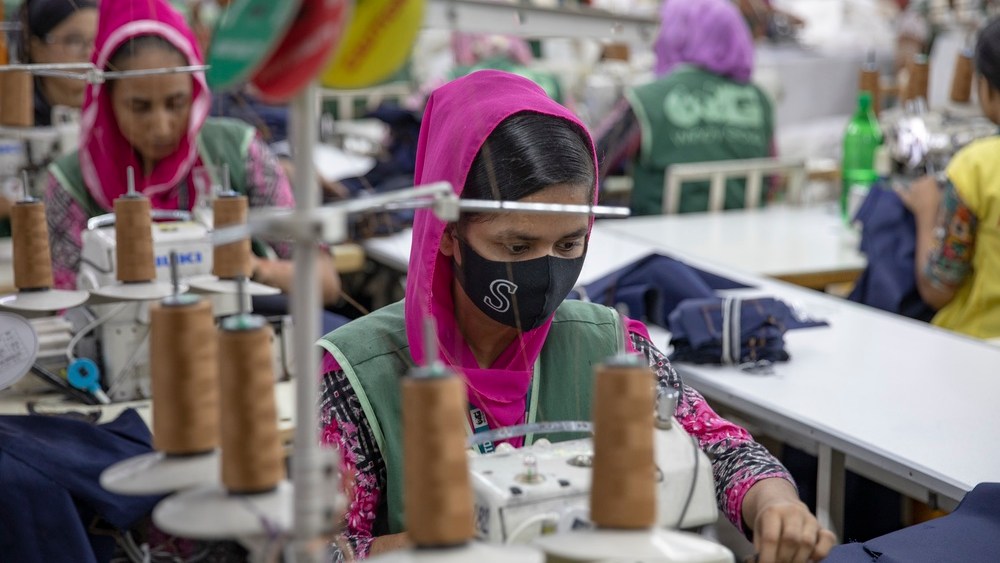
But Bangladesh’s ability to take full advantage of the window may depend on whether it can contain escalating unrest in its industrial areas, where protests around the capital, Dhaka, began Saturday and forced more than 500 garment factories to suspend production. As of Wednesday, some 100 remained closed in Ashulia, Savar, according to local authorities. Demonstrators, who are demanding a minimum monthly wage of 30,000 Bangladeshi taka ($241), more than double the current 12,500 taka ($100), have clashed with police in increasingly violent confrontations. On Tuesday, a 21-year-old garment worker, Toufiq Sheikh, died from injuries after Gazipur police said he was attacked while recording vandalism by protesters. All of this is unfolding in the run-up to the spring and summer order crunch, spooking buyers and raising concerns about production delays.
The government has made some concessions: Though Bangladesh’s newly formed wage board is still negotiating a new wage, it agreed this week to implement a revised pay structure for garment workers beginning in December, allowing workers who say they can no longer afford basic necessities to receive their first updated salaries in January.
Bangladesh’s garment and labor wages are among the world’s lowest, with only Ethiopia and Madagascar paying less, said Zobaida Khan, a business and human rights consultant who was previously a review officer at the Office of the Canadian Ombudsperson for Responsible Enterprise. Staying competitive in the labor-intensive garment sector is critical for the Bangladeshi economy, she said, yet low-value-added production leaves the sector highly exposed. The pressure then falls on wages and working conditions, drawing the sector into a “fast race to the bottom.”
“There are no quick fixes, but Bangladesh needs to reevaluate its trade and labor policies, align them with shifting global realities and adopt a broader strategy for trade, labor and sustainable development: one that creates decent work and pays living wages, strengthens resilience to external shocks and climate change, and promotes social equity,” Khan said.
A forward-looking trade and labor strategy, she added, should begin with tough questions: How can it absorb these external shocks? How can it expand what and where it exports? How should it address pressing economic and social concerns, such as creating decent work for large numbers of unemployed young people and assisting workers who lose jobs in affected export sectors? And what should its long-term strategy for trade and economic development be?
That includes better preparing for LDC graduation, Khan said. To qualify for the EU’s GSP+ scheme, Bangladesh must meet strict labor, environmental and governance standards, or secure new agreements.
“Our embassies and consulates in the EU should engage in proactive trade diplomacy to ensure that Bangladesh’s sustainable development goals are protected,” she said. “Policymakers in Dhaka should develop a detailed national strategy to strengthen the competitiveness of Bangladeshi products in the EU market while ensuring compliance with the EU’s ESG standards. The strategy should identify the costs and challenges of compliance, provide technical and financial support to businesses, particularly SMEs, and establish a clear roadmap for improving labor standards, environmental performance, supply-chain transparency and corporate accountability.”
Policymakers, too, must understand that trade and labor policy doesn’t operate “in a vacuum” but rather must be embedded in a broader sustainable development agenda that includes social equity, climate resilience and technological advancement.
“Under pressure from the global economy, Bangladesh urgently needs to assess the short- and long-term effects on labor, design mechanisms to absorb external shocks, support living wages, provide technical and financial assistance to affected exporters and retrain workers to move into other sectors,” Khan said.


