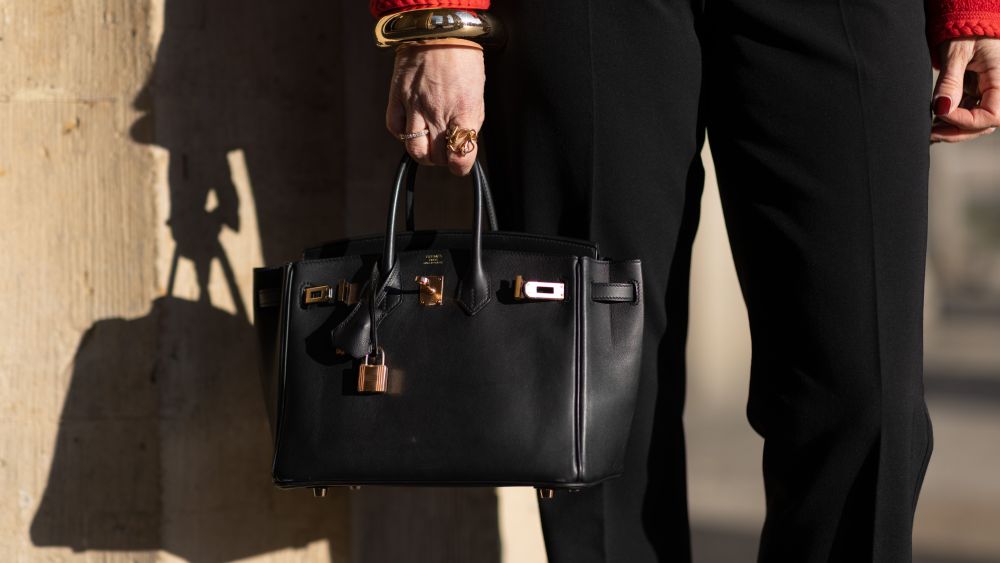
The Birkin bag, first launched by Hermès in 1984, was named after British actor and singer Jane Birkin. More than three decades later, the actress would ask the French luxury powerhouse to remove her name from the bag, after a PETA investigation exposed animal abuse in farms that supplied crocodile and alligator skins to Hermes.
History would show that the Birkin name would remain on the bag, along with the reptile leather that made it so controversial. But a new research published by multidisciplinary science journal Nature suggests an interesting perspective on reptile leather trade: it’s largely biologically sustainable.
An international team of over 40 herpetologists and conversation scientists from various institutions came to this conclusion after analyzing data on more than 70 million legally traded reptile skins between 2000 and 2020.
“Threats that are trivial in magnitude (relative to overall risks to reptile populations) often attract disproportionate attention,” read the study, citing the commercial harvest for reptile skins as example.
The study was funded by a grant from a commission under the International Union for Conversation of Nature. Some of the authors, however, worked on conservation and research programs that were “funded in part by companies utilizing reptile skins,” the study’s ethics statement read, while clarifying that this did not influence the input.
From large snakes and lizards to crocodiles, the authors said most of the reptile species that were commonly traded for leather were classified as “least concern” on the IUCN’s Red List, the world’s most comprehensive source of information on the extinction risks of animals, fungi and plants.
This is with the exception of the Burmese python, which the study identified by its scientific name Python bivittatus. Out of the top 10 most heavily traded species, the Burmese python is the only one that is not classified under “least concern,” the study said. The Red List qualifies it as “vulnerable,” a rank away from “endangered.”
Together, the top 10 heavily traded species account for 80 percent of the total trade of reptile leather. The study said traded species are less threatened overall compared to non-traded species.
“The visceral nature of direct exploitation and use of species (particularly animals) often engenders deep-seeded emotional responses that influence people’s reporting of such threats, even if the perceived magnitude of those threats is disproportionate to the impact of the threat itself,” the study read.
“Ironically, decades of research have shown that in the face of key threats, responsible use of reptiles for skins can help to combat population declines and incentivize preservation of key habitats—all while continuing to meet the needs of people,” it added.