It’s been a challenging year for producers and brands in the man-made cellulosic fiber (MMCF) space. The global environmental nonprofit Canopy released their 2026 Hot Button Report, assessing the sustainability of the largest global MMCF producers.
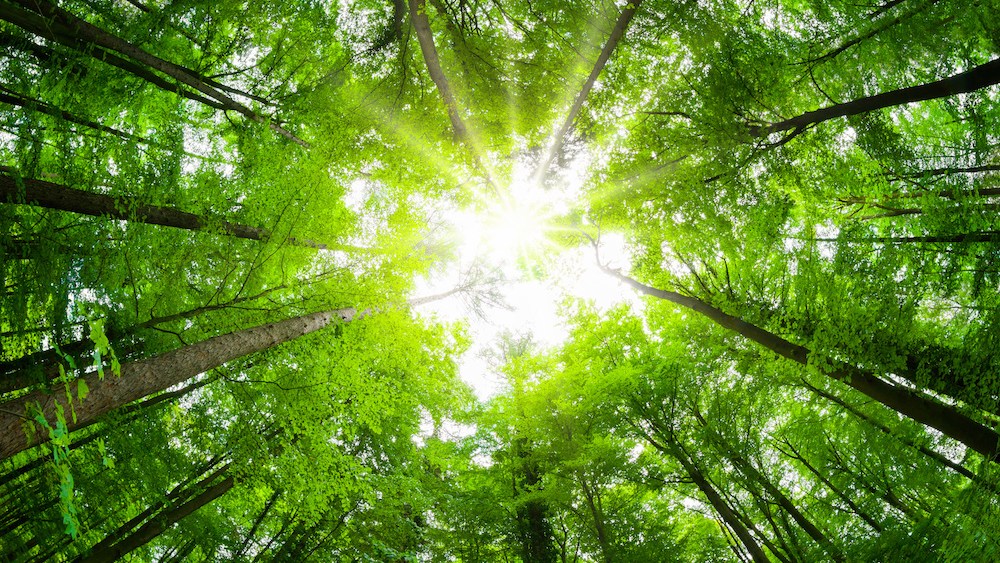
The report states that the forest-based supply is more exposed to volatility for a number of reasons: The land base that’s available to source from is limited and contested while there is simultaneous demand growth across sectors. Meanwhile, the forest that is available is declining in stability due to climate change. In the summer of 2026, fires devastated the northern hemisphere. In 2027, drought will continue to exacerbate forest fires with a “super El Nino” predicted, lifting global temperatures and shifting rainfall patterns.
The trade system is also being fragmented by global trade dynamics like export restrictions, tariffs, sanctions cutting off certain sources, and shipping and logistics breakdowns. Existing sourcing patterns are further being disrupted by regulatory oversight. As different countries and blocs roll out regulations related to deforestation and forest-sourcing, trade routes have to adapt to satisfy each area.
Some of the change has been favorable—the report also highlights the progress made in Next Generation product lines. There are now 20 product lines available on the market made with more sustainable feedstocks, up from 16 lines last year. Twelve of these lines are offered by Chinese producers who have invested in research and development into new feedstocks and technologies, ranging from recycled textiles to on-purpose crops to certified bamboo.
Canopy collaborator Yibin Grace opened the first recycled dissolving pulp facility in China. The producer offers a product line called Regracell that features a viscose filament yarn made with 30 percent recycled cotton pulp and a viscose staple fiber with up to 50 percent recycled pulp. It is also developing a lyocell line that incorporates FSC-certified bamboo. The producer Xinxiang Bailu is also innovating with products derived from Juncao grass, from post-consumer hotel linens, and from inputs from the Swedish forestry cooperation Södra.
Overall, the report points to some promising trends. This year, more producers joined Canopy’s highest rating tier of Green Shirt, up to 79 percent from 70 percent last year. The Green Shirt signifies that they are leading in CanopyStyle commitments and not at risk of sourcing from ancient or endangered forests. The report states that this increase is a result of newer producers signing policies and undergoing their first CanopyStyle audits.
The producers in the highest category this year are AceGreen Eco-Material Technology, Aditya Birla, Daiwabo Rayon, Eastman Chemical Company, Jilin Chemical Fiber Stock, Lenzing, Tangshan Sanyou, Xinxiang Bailu, and Yibin Grace.
Canopy is currently in the process of updating the Hot Button criteria for 2027 and released a simplified report this year. Next year, detailed results and profiles will be provided with full ratings.