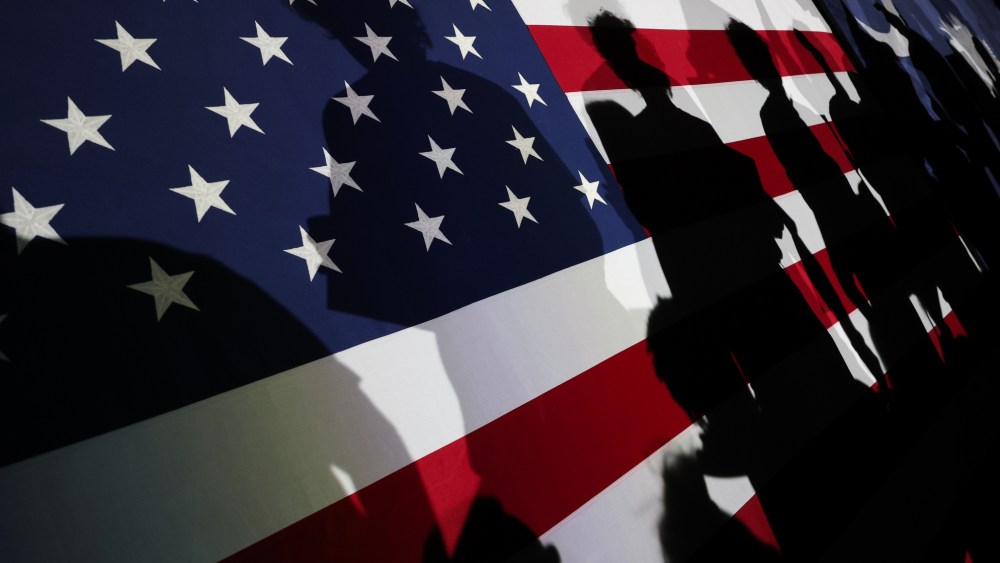
The big blue wave that swept across America and put Democrats back in charge on Capitol Hill clarified the relatively rosy retail outlook for the holiday season.
And investors were happy to have the election resolved definitively and to feel the ground that much firmer under their feet on Wednesday.
The Dow Jones Industrial Average rose 3 percent to 53,356.12 as retail stocks rallied. Among the big retail and fashion winners were Reformation Inc., up 9.4 percent to $18.41; American Eagle Outfitters Inc., 9.3 percent to $21.36; Abercrombie & Fitch Co., 8.6 percent to $171.09; Under Armour Inc., 8.6 percent to $5.58; Victoria’s Secret & Co., 8.4 percent to $108.95, and Gap Inc., 8 percent to $23.75.
All year long, consumers have been feeling squeezed by inflation in general and higher gas prices in particular, a product of President Donald Trump’s war with Iran.
But shoppers have held up better than many expected — and soon they might literally have some more fuel in the tank.
Martin Lindstrom, founder and chairman of Lindstrom Co., a global brand and culture transformation group, said consumers are hurting and “very hesitant to believe anything.”
But the vibe could change quickly.
Lindstrom predicted the war with Iran will end “fairly quickly,” loosening up the oil supply.
“I don’t think there’s any political power to continue in that game,” he said. “You’ll first see when the oil price goes down that people will start reconsidering whether they have money or not. The oil price is directly linked with any consumer confidence. We would see the confidence going back in the minds of the U.S. population fairly quickly.”
The story is different overseas, where the dynamic around oil is starker and mistrust of the U.S. has grown after the tariff brinkmanship and combativeness of the Trump presidency.
“We will be on the brink of a recession for a very long time,” Lindstrom predicted. “It’s happening in Europe right now. Mostly because you see issues in many of the countries, you see that people have been stretched and lost and now when they’re going into the winter period,” when the oil supply becomes all the more important.
“I think we go through a sluggish holiday season,” he said. “It won’t be a boom, but it won’t be a disaster either. People are getting to really feel they have a little bit more oxygen. Had [the political sea-change] not happened, we would have seen a disastrous holiday season for sure.”
Forecasts for the rest of the year in the U.S. have been relatively rosy, with experts expecting the consumer resiliency that propelled spending all year to continue to hold.
“Our holiday prediction was for 4 percent to 7 percent growth,” said Sonia Lapinsky, leader of fashion retail at AlixPartners.
With inflation running at about 3.7 percent, that has retail sales almost stagnating at the low end. But there now might be a little extra consumer cushion.
“I would surmise that we might be putting ourselves in that higher end of the range, that there might be some more willingness to even spend right now because we’re feeling somehow optimistic about what’s going on,” Lapinsky said.
After a year that’s seen credit card balances and delinquencies rise and one awful consumer confidence survey after another, shoppers could use a little optimism.
But that doesn’t mean consumers are going to become any less discriminating.
“They’re frustrated by increases in price when they’re not seeing a commensurate or even equal level of quality or definitely not an increase,” Lapinsky said. “We’re living in a polyester world, even though we’re paying for silk and wool. Everything’s a blend and synthetic and the consumer is finally caught up, is doing their own research and frustrated as heck.”
In the end, getting a vote and getting a sale are not so dissimilar, making politicians the cousins of retailers.
Both have a product that they’re selling and both need to get their message in front of an audience.
And both have learned that the old ways of making that connection don’t work as well as they did.
Marcie Merriman, cultural anthropologist, brand strategist and founder of Ethos Innovation, said both politicians and brands have “taken for granted that they can look at demographics and segments in a traditional way — and it just doesn’t apply anymore.”
“If you think you’ve gotten loyalty of a particular group of people, or if you think you’re focused on a specific segment based on a demographic, you need to look so much deeper than that at what they really want, what’s really important to them, and realize that it can change in a heartbeat if you’re not delivering on it,” she said.
That is a sentiment backed up by the fact that most of the big comebacks in American fashion over the past decade, from Coach to Ralph Lauren to Victoria’s Secret, have been based on better product, better marketing and a better understanding of what the customer wants.
Politicians, or at least the ones that are able to best capitalize on the political winds going into the tail end of Trump’s presidency, hit many of the same notes.
“The biggest lesson retailers can take is that it’s important to talk to consumers in their own terms,” said Greg Portell, lead partner, global markets at Kearney.
“If you look at the winners and losers of the election, the winners were much better able to communicate in terms that the consumers can understand and on topics that they can understand. For retailers, that means being smart about their pricing. It means being smart about how they position their brand against the consumer reality.
“It comes down to an honesty and a trust that is built on being forthright,” Portell said. “The biggest lesson for retailers is they can’t preach to consumers about something consumers don’t care about. Which seems very simple, but if you look at the history of retailers, they’ve gotten that wrong as many times as they’ve gotten it right.”
Luckily, retail and politics are both worlds where there are opportunities to try to do it all a little bit better every day.
Calls are growing in Washington for the country’s leaders to hear the voter on the all-important topic of affordability and make adjustments.
“Americans want Washington focused on making everyday life more affordable,” said Matt Priest, president and chief executive officer of Footwear Distributors and Retailers of America. “Families are paying attention to the cost of necessities, and they expect their elected leaders to deliver meaningful relief.”
With Democrats taking control of the House and Senate, he said there is opportunity to put affordability at the top of the agenda, with footwear as a good place to start.
“Every child heading to school, every nurse reporting for a shift, and every worker earning a paycheck needs shoes. Yet footwear remains among the most heavily taxed consumer products in America, with combined tariffs on many children’s shoes reaching as high as 87.5 percent,” Priest said.
Steve Lamar, president and CEO of the American Apparel and Footwear Association, also pinpointed affordability as the number-one issue for voters, but said it “remains to be seen” if there will be true change in trade policy.
“If these newly elected officials are serious about responding to the electorate’s concerns, reducing tariffs on everyday essentials should be on their desks before their nameplates are,” Lamar said.
But, in retail and politics, it’s easier to see a destination than it is to actually get there.
— With contributions from Vicki M. Young