Shoe prices dipped slightly in November as overall inflation was slightly lower than expectations, according to the latest data from the Footwear Distributors and Retailers of America (FDRA).
After recently rising the fastest in months, retail footwear prices paused their streak of gains in November, sliding a modest 0.1 percent year-over-year, the FDRA noted.
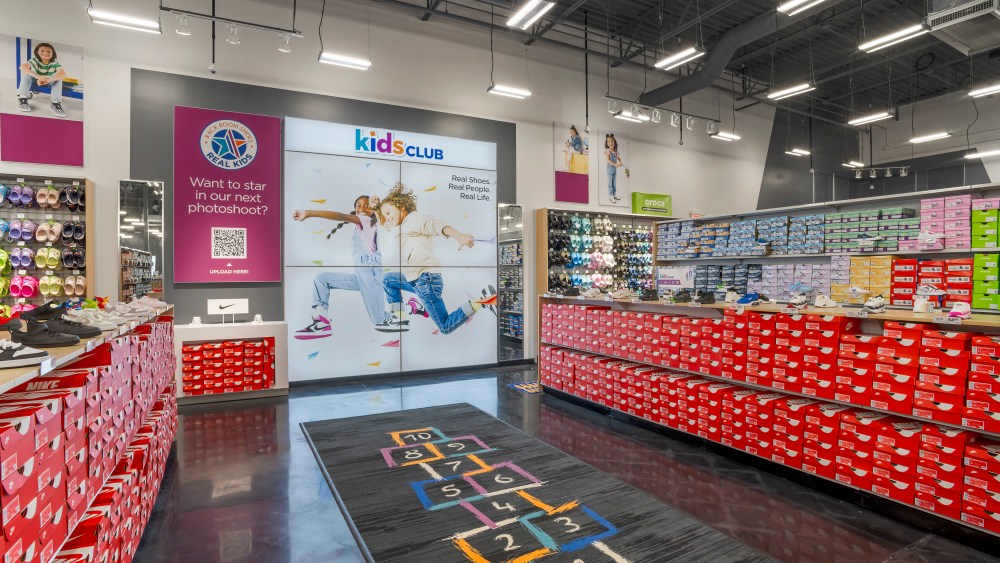
Prices for children’s footwear were the catalyst behind lower footwear prices in this latest month, falling 3.4 percent from 12 months earlier, the steepest drop since February 2021. In fact, excluding children’s footwear prices, total retail footwear prices would have risen for the fifth straight month in November, FDRA added.
Gary Raines, chief economist at FDRA, told FN that the latest modest dip in footwear prices is “likely to be fleeting” given that average landed costs and average duties per pair on footwear imports continue to climb, with both rising year-over-year for at least the last seven months.
You May Also Like
Nate Herman, executive vice president of the American Apparel & Footwear Association (AAFA), added that the industry “worked to blunt the worst” tariff-driven price impacts through strong holiday promotions and by drawing down inventory that was strategically shipped during summer tariff pauses, and before “Liberation Day” at the beginning of the year.
“While these steps helped soften some of the impact on holiday shoppers, they will not be sustainable continuing into 2026,” Herman said. “Footwear is particularly vulnerable to tariff-driven price increases. It is also one of the categories replicated by counterfeiters who will skirt the tariffs altogether. AAFA is actively advocating for measures to protect brands and consumers in these segments, particularly as a more price-sensitive environment in 2026 could increase the risk of unsafe counterfeit products entering the market.”
Last month’s increase in retail footwear prices also comes at the same time the Bureau of Labor Statistics reported that overall consumer prices rose less than expected in November. (Some observers speculated that the government shutdown impacted data, since it was measured later in November during Black Friday sales.)
According to the delayed release of the bureau’s latest Consumer Price Index (CPI), a broad measure of goods and services costs across the U.S. economy, retail inflation rose 2.7 percent in November from a year earlier.
The report also saw prices increase 0.2 percent on a seasonally adjusted basis over the two months ending in November. Excluding volatile food and energy costs, the core CPI rose 0.2 percent in November and increased 2.6 percent over the same time last year.
The bureau did not collect survey data for October 2025 due to a lapse in appropriations as a result of the 43-day government shutdown.