An environmental organization is urging clothing brands to consider how long their clothes last. Waste and Resources Action Program (WRAP), a United Kingdom-based global NGO, is making the case for hardier apparel as they seek new partners in defining durability standards.
WRAP’s Global Durability Accelerator Initiative has already worked with over 35 brands to test over 200 garment styles. These brands included Primark, Target, Allsaints, M&S, Tesco and Asos. Through this work, they identified common modes of failure and developed robust testing protocols and benchmarks focused on real-world use.
WRAP is now looking for stakeholders to join the second phase of their initiative. They plan to convene a Standard Development Committee and pilot a tiered apparel durability standard. They are seeking funding from foundations and retailers and are also looking for apparel and laundry brands to help shape and pilot the standard.
Sarah Morley, strategic engagement manager at WRAP, said, “We’re beginning to understand why garments are no longer utilized, how to test durability consistently, and how to begin setting meaningful benchmarks. Crucially, we are extending this work beyond the U.K. and building a global cohort that aims to include the broader supply chain. WRAP is among the first to collect global product and consumer focused insights on durability.”
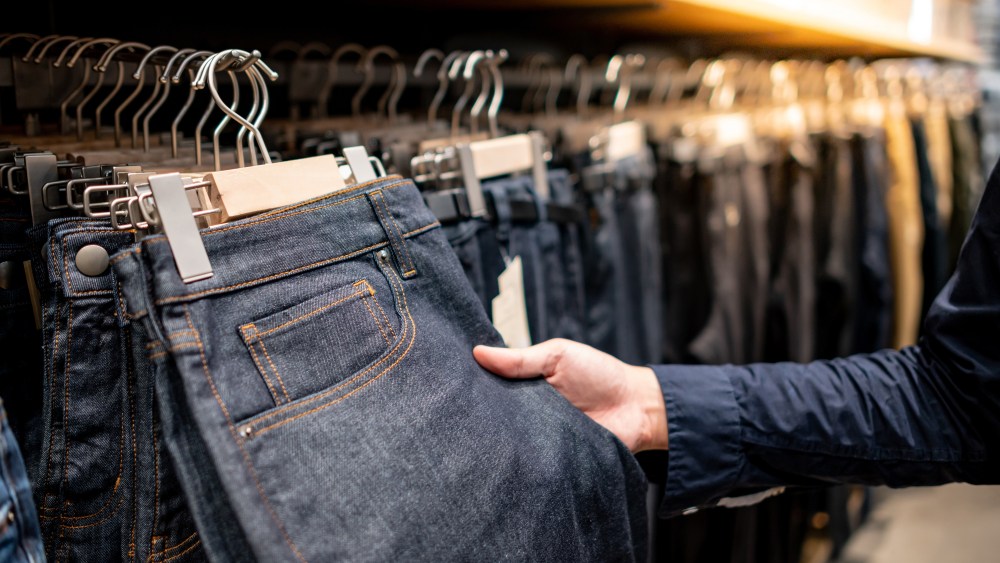
A critical issue in the apparel market is that consumers cannot judge durability of garments before buying and wearing them. WRAP’s research has shown that even industry experts can’t accurately judge durability with simple inspection. Information customers may think of as indicators—like brand, fabric type, price, and fabric weight—do not determine durability by themselves.
Sofie Schop, executive director, EU and global partnerships director at WRAP, said, “From over ten years of investigating durability, we know that price, fabric weight, fibre composition, and even brand reputation are not independent indicators of how long a garment will actually last. As a consumer, there are currently no indicators you can trust to tell you which product is more durable than the next.”
To evaluate durability, WRAP focuses on utilization, which they test with standardized wash conditions. They have found that consumers often expect products to last beyond 50 wash and dry cycles, but most current policy proposals focus on just 5-15 cycles.
WRAP is also looking to debunk the idea that durability is bad for business. In an executive summary the organization published on durability earlier this year, they said, “Longer-lasting products deliver market share retention and growth, with evidence showing this does not lead to cannibalisation of sales, but growth through stronger customer engagement and brand trust, as well as enabling new revenue streams through resale and other circular business models.”
In 2025, WRAP introduced an updated methodology for calculating the displacement rate, which they defined as the rate at which buying, renting, or repairing an item of clothing through a circular business model displaces the purchase of a new item.
Dr. Mark Sumner, program lead at WRAP, said, “When a garment is physically durable, it has more opportunity to form an emotional bond with the consumer. That emotional durability is almost as powerful as physical durability in determining how long a product is used.”