Fashion trends have never been harder to predict. As social media, celebrity culture and localism increasingly determine fashion trends that deviate from the traditional catwalk-to-store corridor route, independent retailers are better placed than ever to capitalize on their unique relationship with customers and offer flexible ordering that enables them to deliver trends in weeks or months, not seasons.
This is evident in the most recent trend report from Faire, the wholesale marketplace platform.
For example, as the mock-neck sweatshirt trend developed on TikTok with posts that encouraged consumers to personalize their sweatshirts with iron-on patches, Faire saw searches for the product increase at a rate of more than nine times the average search on the marketplace.
Whilst it represented only 0.12 percent of total U.S. apparel orders on Faire in the same period last year, the share of orders has risen dramatically to 1.38 percent in 2026 so far. In terms of orders on the platform, July 2026 saw the highest ever number of mock-neck sweatshirt orders on Faire, with orders increasing by 11.1 times those recorded in July 2025.

Striped pajama sets have also transitioned from being a product worn to sleep in to casual wear. Searches for striped matching sets have increased 324 percent, while searches for striped loungewear increased 309 percent between the same periods.
In addition to these trends dictating fashion overall, Faire also found that local identity is now influencing fashion at a national level.
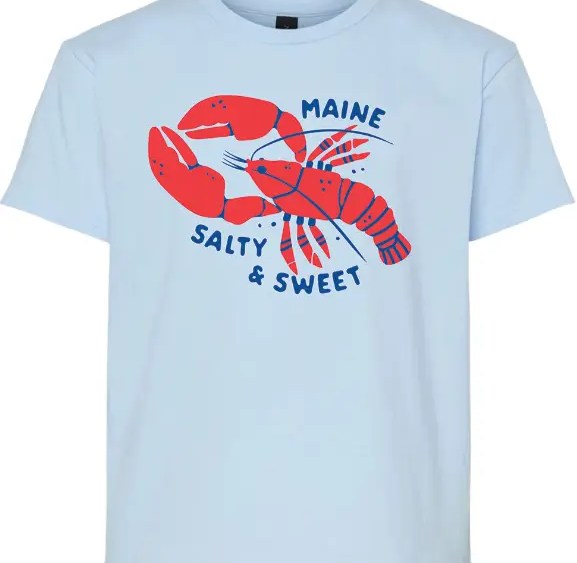
One example of a local fashion trend that has spread nationally is lobster-printed apparel from Northeastern-based brands. Orders from out-of-region retailers on Faire for lobster-printed apparel grew nearly threefold in 2024, more than fivefold in 2025, and more than tenfold in the first seven months of 2026.

The report’s authors discovered that on average only two of the top 10 apparel brands that perform well in a given city are also found amongst the top 10 brands for the entire country.
Also notable is the shift in purchasing behavior by independent retailers is sizing, and it is driven by weight-loss drugs. “GLP-1 use among American adults has roughly doubled in about eighteen months, reaching an estimated 1 in 8 adults in 2026, with JPMorgan projecting this population could triple by 2030,” the report’s authors said. “That change is influencing what consumers are buying: demand for small, medium, and large sizes is rising while plus-size demand is shrinking, as 80 percent of GLP-1 users say they expect to need a new wardrobe as a result of their weight loss.”
Faire said chain retailers are being held back by long buying cycles and are still catching up, as one-fifth of big-box and apparel consumers who said they lost weight on GLP-1s also say they now shop less at these chains. More than half of shoppers believe these stores fail to offer enough inclusive sizing for bodies in transition.
Meanwhile, independent retailers hold a crucial advantage over larger national chains “because they can swiftly adjust not just which sizes they stock, but how deep they buy within each size—ordering more units of high-demand sizes and cutting back on slower-moving inventory.”