In the future, a day may come that AI bots would shop items on behalf of busy consumers. But that day, even with the proliferation of autonomous bots called agentic AI, has not come yet—at least for the luxury fashion market.
That’s according to Mandeep Bhatia, senior vice president of Global Digital Product and Omnichannel Innovation at Tapestry, Inc., which owns brands Kate Spade New York and Coach.
“That world is not here yet,” he said in a breakfast media briefing on Wednesday. Instead, AI only forms a part of the shopper’s journey, which, in many cases, still end with the consumer visiting a physical store.
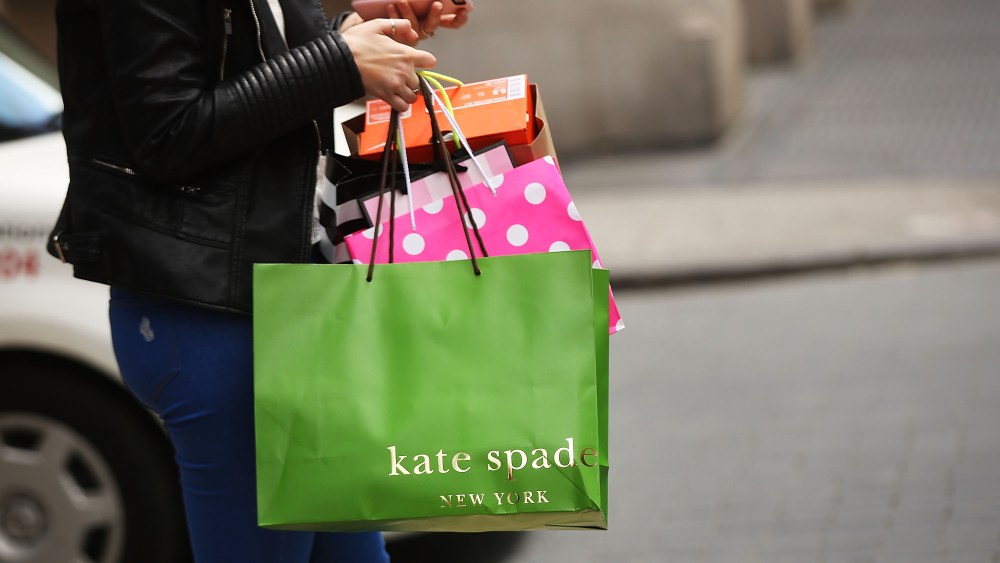
Shopping luxury items, like a Kate Spade bag, is an “emotional” choice that requires a personal touch, according to Bhatia, as opposed to buying basic commodities, which arguably can be delegated to AI granted they fall within the consumer’s budget.
To drive his point, he gave a personal example. Would he want a bot to buy a gift on his behalf for his daughter’s first year in college? “I’m not gonna have a bot buy for her,” he said. “It means something.”
That, however, doesn’t mean consumers wouldn’t use AI at all for shopping. At Tapestry, agentic AI helps with shopping by learning more about what the consumer is looking for. But it doesn’t do the shopping for them.
“There’s just so much a customer says, and then there’s so much that they don’t say,” Tamara Pircz, vice president of e-commerce at Kate Spade, said, adding how the way a consumer navigates a website can reveal if they’re struggling to find the right project. Agentic AI then helps them discover what they want.
AI is increasingly becoming integrated into consumers’ shopping routine. A marketing study, for example, found young survey respondents–mostly Gen Zs and millennials–are planning to use an AI tool to help them shop on Prime Day, Amazon’s biggest sale of the year, which is scheduled this June.
Still, it remains to be seen if the public would trust AI enough to make purchases on their behalf. In a recent survey that sampled 500 U.S. consumers, consumer intelligence firm NielsenIQ found that only 5 percent let agentic AI buy for them.
For now, and at least for Tapestry, AI has not yet made physical shopping obsolete. If anything, it just encourages them to shop more.
Pircz said that they’ve been seeing “great potential” in how AI agents drive customers to go to the physical store after having edited their choices.
“It narrows down the selection for them but they still want to go [to the store]. They want to touch it. They want to look at it on their body. They might want to talk to somebody about it,” she said.