France has begun imposing fees on so-called ultra-fast fashion in a widely watched effort to rein in Chinese-founded e-commerce sites such as Shein and Temu, which it accuses of flooding the market with cheap clothing that undercuts domestic companies, fails to meet safety standards and fuels massive amounts of textile waste.
The environmental surcharge, which starts at 0.25 euros (30 cents) for smaller items such as socks and underwear and tops out at 12 euros ($14) for coats and jackets, could reach 19.50 euros ($23) per garment by 2030, though the amount will remain capped at 50 percent of the product’s pre-tax sales price, officials said.
“The harmful effects of ultra-fast fashion on our environment and our economy are well known and documented,” Mathieu Lefevre, France’s Minister Delegate for the Ecological Transition, said on Friday as details of the plan were unveiled.
Shein and Temu did not respond to requests for comment, though Quentin Ruffat, Shein’s director of external relations and spokesperson in France, previously said the levies would hurt consumers by raising retail prices.
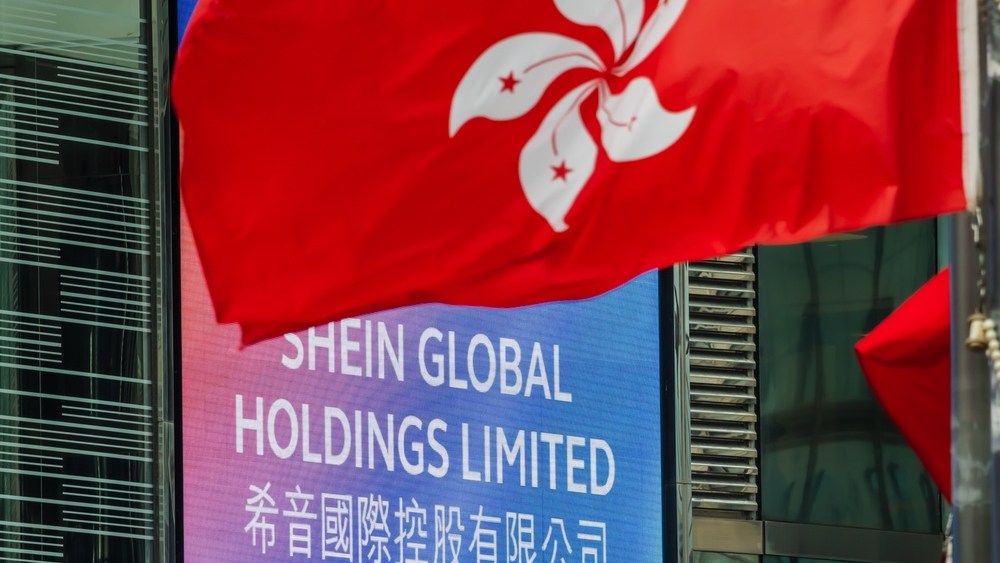
The fees come as Shein was valued at $26.2 billion—a fraction of its Covid-era $100 billion valuation—on its first day of public trading on the Hong Kong stock market, where its shares fell as much as 10 percent in early trading before recovering to nearly flat following stabilization measures for large listings.
Despite Shein’s meteoric rise during the pandemic, when locked-down consumers’ pivot to online shopping drove net sales from $2.5 billion in 2019 to $8.4 billion in 2020, the Singapore-headquartered company’s competitive edge has steadily eroded amid the elimination of tax loopholes, mounting regulatory scrutiny of its supply chain practices and intensifying competition from Temu and Amazon’s low-cost Haul storefront.
France is the first country in the world to calculate commercial penalties using a scoring system that incorporates the number of apparel styles a brand lists online and the garments’ repairability. According to Shein’s recently published prospectus, the company releases a staggering 4,700 new apparel styles each day, or roughly 1.7 million a year, easily eclipsing “classic fast-fashion” rivals such as Zara and H&M, which rely more heavily on seasonal drops and cohesive collections.
While those brands, along with other European high-street giants, have so far been spared the fines, they will be required to pay into extended producer responsibility schemes by April 17, 2028, under European Union rules designed to fund the collection, sorting, reuse and recycling of cast-off clothing.
Still, China has objected to France’s targeted approach. In July, the country’s Ministry of Commerce criticized the French law for “imposing discriminatory restrictions on Chinese cross-border e-commerce platforms, distorting fair competition and constituting a trade barrier against China.” It said the fees might violate the World Trade Organization’s principle of non-discrimination and warned that it would take “necessary measures” if Chinese companies’ legitimate rights and interests were infringed upon.
The new fee structure marks an escalation in France’s ongoing conflict with Shein, whose online marketplace the government moved to suspend—without success—late last year after authorities found listings for illegal weapons and “childlike” sex dolls. A December customs sweep found that 25 percent of the e-tailer’s non-textile goods, including cosmetics, electrical products, toys and counterfeit items, failed to meet regulatory standards.
Shein shares finished at HK$48.50, just below their HK$48.56 IPO price, marking a lackluster debut for the once highly anticipated listing.