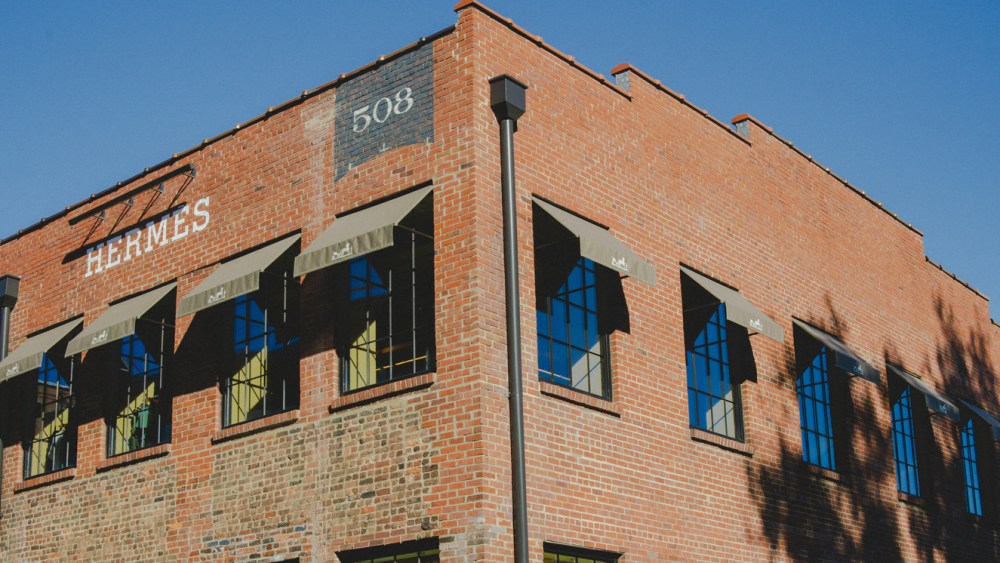
PARIS – Hermès International is still leading the luxury pack, but not fast enough to outrun currency headwinds and weakening tourist flows.
Sales at the French luxury house rose 6 percent at constant exchange rates in the three months to March 31, but fell 1 percent on a reported basis after a negative currency impact of 290 million euros.
“In a tense geopolitical environment, Hermès maintains its course, true to its long-term strategy. Supported by its abundant creativity, its uncompromising quality and the loyalty of its clients, Hermès is continuing its profitable growth in 2026 with confidence and conviction. The fundamentals of the Hermès model are more than ever a differentiating strength,” said Hermès executive chair Axel Dumas.
Growth was driven by a strong performance in the Americas, with sales up 17.2 percent at constant currency, numbers described by the company as an “exceptional” start to the year, with balanced growth across the United States, Canada and South America.
You May Also Like
Tourism-linked markets showed signs of pressure during the quarter. Sales in France fell 3 percent, with the company citing a slowdown in tourist flows, particularly in March, linked to the conflict in the Middle East.
Sales in the Middle East region declined 6 percent, hit by the impact of a war which impacted sales in the United Arab Emirates, Kuwait, Qatar and Bahrain.
Wholesale activity was also affected, particularly in airport locations and concession stores, pointing to softer travel retail demand. The group said that despite these headwinds, sales in its own stores rose 7 percent, highlighting the relative resilience of its directly operated retail network.
While the revenue number was slightly below consensus, Hermès’ steadiness kept analysts placated, but the share price plummeted at market opening, shooting down 12.73 percent in the first hour of the trading day.
“In tougher periods of luxury demand, Hermes’ relative defensiveness is more attractive as it is likely to suffer less than peers, given its absolute luxury brand positioning and supply constrained model for its most coveted products, although we do anticipate a third consecutive year of modest margin compression from an elevated COVID level,” said RBC analyst Piral Dadhania.
“The backbone of Hermes’ business model is sound – with elevated and non-replicable brand positioning, absolute price leader, supply chain advantages (higher level of vertical integration and hand-made products vs peers), long-term consistency in strategy, management and execution and exceptional financials,” Dadhania added.
“With solid demand drivers of the ‘quiet luxury’ segment among upper-end consumers and VICs, structural supply and demand imbalances in leather goods and continued strength in RTW and jewelry, 5-6 percent pricing implemented in January (slightly below last year’s +7 percent), and record net cash, the company is well-positioned in 2026, we think,” said Citi analyst Thomas Chauvet.
Revenues in Japan rose 9.6 percent, supported by strong footfall and loyal local clients, while Europe excluding France grew 9.7 percent, also driven by domestic demand.
In Asia excluding Japan, sales rose 2.2 percent at constant currency, increasingly supported by a local clientele.
The brand opened a new store opened in Hanoi, Vietnam, in January as it continues to grow across the region.
Greater China continued to record “slight growth,” the company said, while South Korea maintained “solid momentum.”
The brand’s core leather goods division remained the main growth driver in the first quarter, rising 9 percent at constant exchange rates, supported by strong demand for new handbag styles including the Faubourg Express and Collier d’Attelage, as well as momentum for the Herbag line, and continued expansion of production capacity.
The ready-to-wear and accessories was flat at constant currency, as the house awaits the January 2027 debut of menswear creative director Grace Wales Bonner.
Silk and textiles grew 7.8 percent at constant currency, while perfume and beauty were flat, despite the launch of new fragrances and a new foundation range as the brand enters the skincare-based makeup category.
Watches were a dark spot, with the division down 3.7 percent at constant currency, despite new product introductions and continued growth in manufacturing capacity in Switzerland.
Jewelry and homewares rose 6.8 percent, supported by high-profile events, including a jewelry showcase held in Tokyo and new porcelain launches in Paris.
In the medium term, the company maintains a confident outlook.
“In a still uncertain economic and geopolitical context, the group has moved into 2026 with confidence, thanks to its highly integrated artisanal model, balanced distribution network, the creativity of collections and the loyalty of clients,” the company added.