
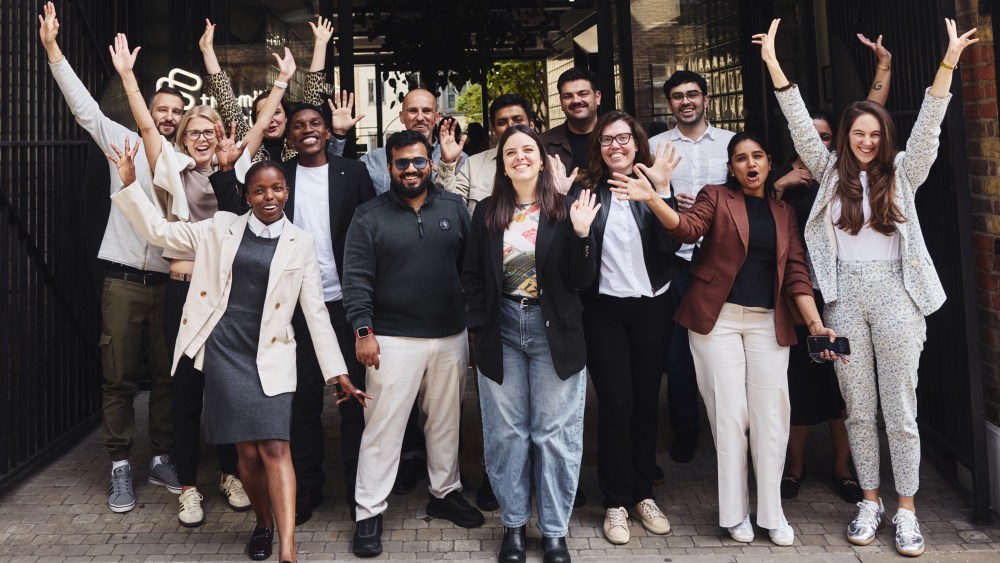
PARIS — The H&M Foundation has unveiled the latest winners of its annual Global Change Award, spotlighting a new generation of startups developing solutions to some of fashion’s most emissions-intensive challenges, from next-gen materials and textile recycling to AI-powered manufacturing and circularity tools.
Now in its 11th year, the initiative has become a key platform for early-stage sustainability entrepreneurs seeking funding and mentorship to accelerate technologies that could help the fashion industry cut carbon emissions, as well as bridge the gap between laboratory breakthroughs and large-scale industrial adoption.
This year’s winners reflect a shift towards solutions designed not only to reduce environmental impact, but also to “plug and play” into existing supply chains and manufacturing systems – a key hurdle for many sustainability technologies seeking to grow commercially.
You May Also Like
“The solutions we need already exist; what’s missing is speed and scale,” said H&M Foundation board member Karl-Johan Persson. “By supporting changemakers at an early stage, we can help unlock the kind of innovations that don’t just improve the textile industry, but transform it.”
The winners were selected from more than 450 submissions across 81 countries, and span topics including materials, production, recycling and consumer behavior. Each team will receive a 200,000 euro grant and participate in a year-long mentorship and training program, as well as have access to industry connections.
Material innovation was a key theme this year, with several winners targeting some of fashion’s most problematic raw materials with bio-based alternatives designed to reduce dependence on fossil fuels, forests and resource-intensive agriculture.
India’s Canvaloop, led by chief executive officer Shreyans Kokra, was recognized for Agro-Lyocell, a technology that converts agricultural waste into regenerated cellulosic fibers, creating a forest-free alternative to conventional wood-based pulp while helping address crop-burning emissions. U.K. startup Tera Mira, founded by Jeanne Begon-Lours and Lucy Dain-Williams, is developing stretch fibers derived from seaweed that could replace elastane, a synthetic material that complicates textile recycling and remains heavily reliant on fossil fuels.
Other material-focused winners include Sweden’s ArtSilk, founded by Anna Rising and Benjamin Schmuck, which uses microorganisms to create spider silk-inspired fibers that are both biodegradable and recyclable. Tanzania’s KelTex, led by founder Laetus Buberwa, is transforming seaweed into biodegradable alternatives to animal and synthetic leather, highlighting growing interest in marine-based biomaterials.
The selections also reflected mounting industry attention on circularity. France-based Fiberly, founded by Bénédicte Quinta, extracts cellulose from discarded textiles and reconstructs it into fibers designed to replicate the look and feel of virgin cotton. Meanwhile, U.S. startup Rhea’s Factory, led by founder Arzu Sandıkçı, uses AI-designed enzymes to break down polyester waste into its original chemical building blocks, enabling textile-to-textile recycling of complex blended and dyed materials.
These material innovations are aimed at one of fashion’s most persistent sustainability challenges: the fact that less than 1 per cent of textiles are currently recycled back into new fibers, despite growing pressure from regulators and brands to reduce waste and dependence on virgin resources.
Manufacturing efficiency and emissions reduction are another major focus this year. U.K.-based EntroMetrix has developed AI-powered digital twins that help manufacturers identify inefficiencies in production systems and optimize energy and material use in real time. In pilot projects, the company has reported energy-intensity reductions of around 11 percent.
Bangladesh’s threadBridge is applying AI directly to factory floors through smart glasses that detect fabric defects in real time, helping manufacturers reduce waste before garments reach the cutting stage. The technology reflects a broader trend toward digitization and data-driven optimization in apparel production.
Several winners focused on accelerating adoption of existing tech rather than reinventing systems from scratch. India’s Microbeworks, led by CEO Suchitha Raghunathan, produces biodegradable textile dyes through microbial fermentation that can be used in existing dyeing infrastructure, to reduce the environmental impact of without requiring costly factory upgrades.
U.S.-based startup Alu, founded by Donatela Bellone, is tackling sustainability through the lens of consumer behavior. Its platform combines AI and psychology to transform digital product passports from compliance tools into interactive systems that encourage repair, resale, rental and recycling.
“This year’s top 20 list shows that innovation in fashion is becoming more applied and more connected to industrial reality,” said H&M Foundation project manager Beatrice Oldenburg. “We’re seeing solutions that address digitization, recycling of blended textiles, bio-based alternatives and energy reduction – all areas that require both technical depth and system-level thinking.”
Since launching in 2015, the Global Change Award has supported 66 innovations and distributed 12 million euros in grants.