The flashbulbs at Cannes don’t lie. For decades, the red carpets of the French Riviera belonged entirely to the legacy houses of Paris, Milan and London. It was an exclusive European monopoly. But look closer at the step-and-repeat lines today. The architectural language of fashion is shifting.
International starlets and regional notables are increasingly stepping in front of the cameras wrapped in something entirely different: the structured, unapologetic narratives of Saudi Arabian designers.
This is no fluke. It is a movement.
You May Also Like
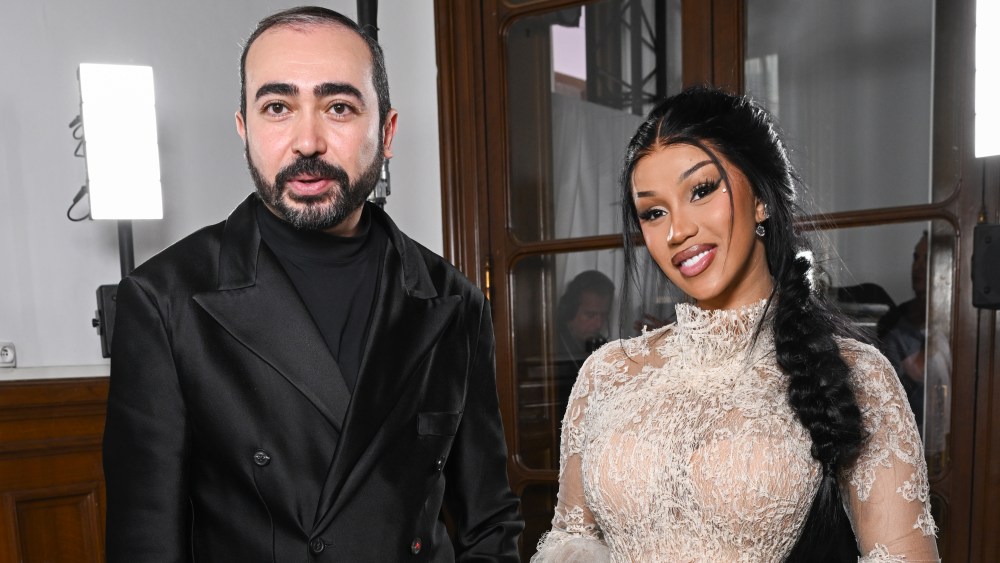
At recent festivals, homegrown Saudi brands graduated from novelty to center stage. Couturier Waad Aloqaili stunned the Croisette with her “Yamal” collection, an intricate, heavy homage to the Kingdom’s maritime and pearl-diving legacy that somehow felt entirely weightless. Nearby, Eman Alajlan dressed actress Huma Qureshi in a monochrome velvet and sheer gown that practically swallowed the light. Combined with trailblazers such as Mohammed Ashi, the first Saudi couturier officially invited to the Paris Haute Couture calendar, these designers are proving a vital point: Saudi style is no longer just a domestic preference.
This rapid ascension is a calculated plan. Orchestrated by the Saudi Fashion Commission, the strategy is backed by data: The Kingdom’s fashion market is projected to skyrocket to $36.8 billion, crowning it the undisputed heavyweight of the Gulf.
Money, however, is just fuel. The real engine is a holistic cultural ecosystem where ancient heritage, avant-garde design and modern pop culture converge. Garments have transcended fabric. They are now an experiential, globally exportable identity with culture as the new currency.

The physical proof lies in the aesthetic signatures. A new generation of creators is refusing to abandon historical motifs. Instead, they treat ancient visual codes as raw, malleable materials for modern disruption. A flowing abaya or an aggressively tailored evening cape becomes a structural dialogue. The past endures, and the future arrives.
Bypassing Luxury Traditions
What makes this movement memorable is its digital ubiquity. By utilizing an “always-on” storytelling approach across global platforms, Saudi designers have democratized the sometimes stuffy, closed-door conversations of traditional luxury. The craftsmanship, the origin of the textiles, and the creative process itself are laid bare in participatory digital spaces.
Crucially, this look wasn’t born in a sterile laboratory. It lives in the wild, deeply embedded in massive, loud pop-culture moments. When global sports icons touch down in Riyadh or music headliners take the stage at mega-events, they aren’t wearing imported luxury — they are styled by local talent. It is physical performance meets aesthetic storytelling.
New Frontiers for Retailers
For retailers, integrating Saudi fashion into major entertainment properties demonstrates commercial viability. Retailers can leverage Saudi designers’ native digital ubiquity, utilizing transparent, content-driven e-commerce strategies that resonate with a modern audience looking for authenticity.

In addition, the physical activation of the Saudi lifestyle also provides a blueprint for experiential retail. At home, events such as the Saudi Cup, the world’s most valuable horse race, enforce strict cultural dress codes, turning sporting events into open-air couture runways.
Similarly, the MDLBeast electronic music festival serves as a sandbox for youth-driven streetwear, while the Red Sea International Film Festival in Jeddah seamlessly intersects cinema with apparel. Retailers have a unique opportunity to move away from sterile brick-and-mortar setups and toward experiential, event-driven partnerships. By aligning retail inventories with major entertainment, film and musical moments, brands can capture consumers at the height of cultural engagement, turning narrative ownership into direct commercial sales.
Implications for Consumers
For the global consumer, the implications of this convergence are equally transformative. First, it offers a radical diversification of the luxury aesthetic. Instead of repetitive Western design codes, consumers are introduced to garments featuring geometric threadwork resembling historical maps, or fabrics hand-dyed to mirror the lavender fields of Al-Jouf.
Additionally, the democratization of this fashion movement gives consumers access to high-end craftsmanship. Because Saudi designers utilize digital spaces to tell their stories, consumers are no longer passive buyers. Instead, they are active participants in a global cultural dialogue. They are buying into garments that possess a genuine cultural currency.
Ultimately, as film, sports and music headliners continue to champion local Saudi talent on global stages, consumers are empowered to embrace a new standard of luxury, which is one that is deeply rooted in heritage and also expressive.
And this isn’t an accident. It is a long-term strategy of narrative ownership. By cementing its infrastructure at home and conquering red carpets abroad, Saudi Arabia is no longer just selling clothes s but is exporting a lifestyle.