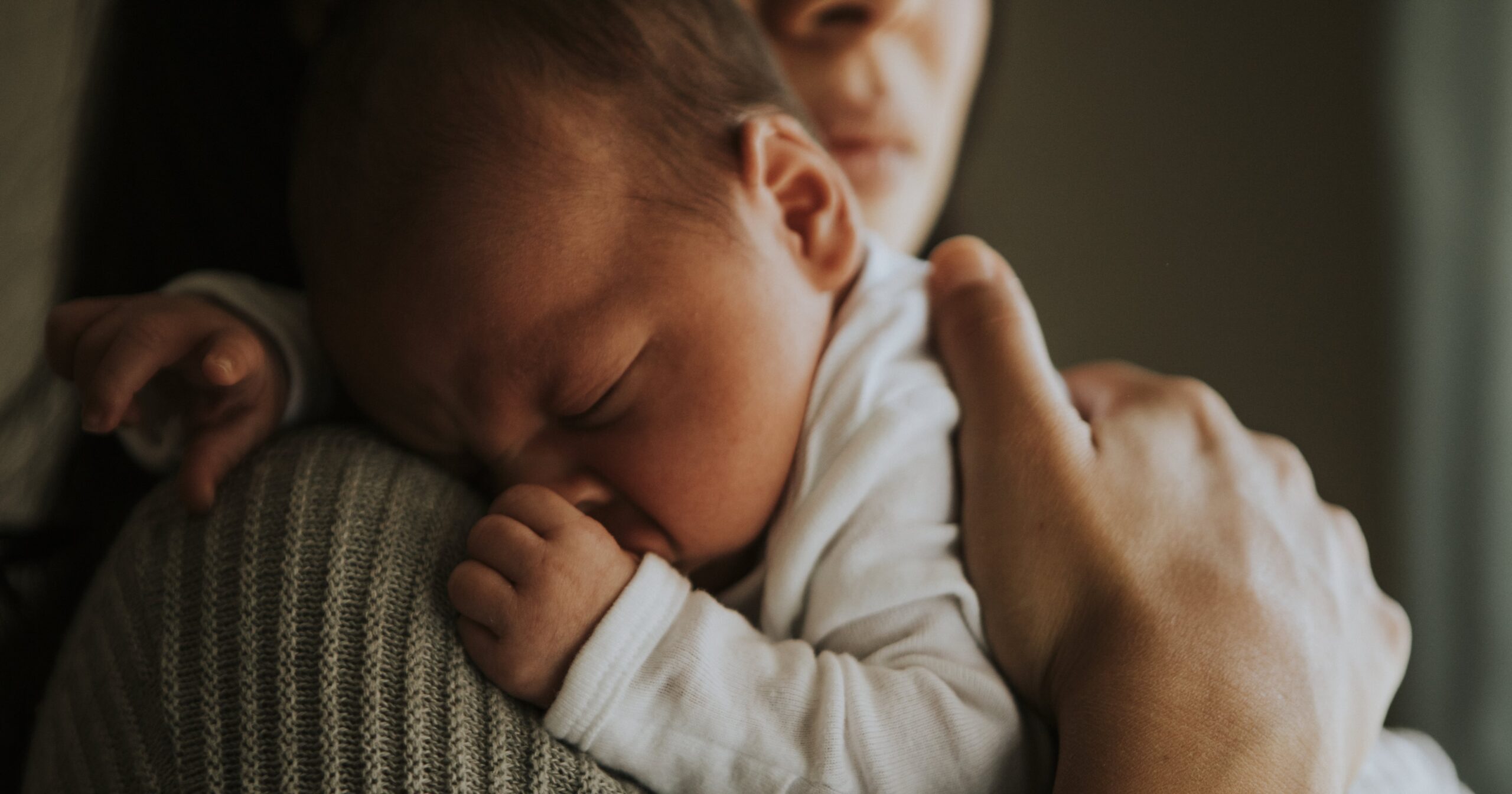

If you’re a parent, you may already be familiar with the emotional shift that can happen when the sun goes down. During the day, you might feel OK, but at night, the waves of anxiety can roll in: “Am I a bad parent?” “Am I doing this right?” “Is there something else I could be doing better?”
As one new parent describes in a viral TikTok video, “I’m fine and happy all day, but once it hits 5 p.m. and gets dark, I just cry.” It’s the point in the day when you might feel most alone in your parenthood journey, spiraling over your new reality.
Though you may have never had a name for this feeling, “sundown scaries” is what many new parents are calling it on TikTok. And according to experts, it’s a completely normal experience. But why do parents experience the sundown scaries? And is there any way to combat these feelings? Below, child psychologist Sandra L. Whitehouse, PhD, explains.
Experts Featured in This Article
Sandra L. Whitehouse, PhD, is the associate clinical director and a senior psychologist at the Child Mind Institute.
What Are the Sundown Scaries, and Why Do They Occur?
The sundown scaries is a term many people use to describe the increased anxiety or sadness that can set in when the sun goes down. Though it may happen most often to new parents during the newborn stage, Dr. Whitehouse says that sundown scaries can happen across every child’s developmental stage, from infancy to the teen years.
Though the sundown scaries can look different for every parent, but the most common symptoms are heightened anxiety, homesickness, loneliness, and sadness. In the comment section of the aforementioned TikTok, one person said, “Homesick is the absolute best way to describe it! I told my husband it felt like I was at a sleepover, and I just want my dad to come pick me up and bring me home.” Another commenter shared: “Three days postpartum, and I cry about everything. The thought of her never being this little again? Crying. Random times in the shower? Crying. It’s truly a whirlwind of emotions.”
As for why this happens: Dr. Whitehouse says you can thank evolution for feeling this way. “Nighttime and dusk was a dangerous time for our ancestors – this is when the predators came out, our ancestors couldn’t see as well, and when they went to sleep, they were less able to monitor their environment,” Dr. Whitehouse says. “Being anxious and hyperaware of their surroundings kept them alert for incoming threats and helped to keep them safe to survive.”
“The sun setting is so triggering because you feel like everyone will sleep except you.”
In other words, your body (and emotions) may be shifting into an evolutionary protection mode for your little ones. As one person mentioned in the TikTok comments, “The sun setting is so triggering because you feel like everyone will sleep except you. It gives you such anxiety.”
It’s also possible you’re experiencing a behavioral shift. “In the evenings, our ‘rational mind’ starts to shut down, allowing our ’emotional mind’ to be more active and less managed by logic,” Dr. Whitehouse explains. This is why you might feel more worried or anxious about parenting issues at night versus during the day. “Everything will feel like the end of the world at night. When the sun comes up, you will realize you are OK,” one person shared in the comment section of the TikTok video.
How to Combat the Sundown Scaries
First, understand that the sundown scaries are a normal experience. Recognizing your experience isn’t rare can help ease the anxiety because you know you’re not the only one to feel the way you do, Dr. Whitehouse says. Once you’ve acknowledged your feelings, she recommends incorporating a routine into your evenings that can provide structure.
In this routine, Dr. Whitehouse encourages you to build in some downtime. This can look however you want it to, but she suggests tending to your body and physical health: work out, listen to your favorite music artist, share some quality time with your partner, and try breathing exercises. “These practices tell our bodies that it’s OK to relax and help to counter the natural ramp up in anxiety that happens at night,” Dr. Whitehouse explains.
Finding and fostering your community is also important, as parenthood can be a lonely experience. Reach out to your close friends, communicate your needs with your partner, and make friends with new parents by sharing the joys and challenges of parenthood, Dr. Whitehouse says.
If the feelings you experience during the sundown scaries begin to stretch into the daytime, you may be experiencing postpartum depression. According to Dr. Whitehouse, the difference between postpartum depression and the sundown scaries is that “PPD symptoms are more common throughout the day – not just happening around sundown.” In the case that you think you could have PPD or your sundown scaries begin to feel overwhelming, Dr. Whitehouse recommends consulting a primary care provider or medical professional.
Ultimately, parenthood can hit hardest after dark, so it’s important to make space for your needs and lean on people who can keep those evening spirals in check. With the right tools and the right people by your side, nights can start to feel a lot less sundown scary-esque.
Taylor Andrews is the senior balance editor at Popsugar, specializing in topics relating to sex, relationships, dating, sexual health, mental health, travel, and more. With eight years of editorial experience, Taylor has a strong background in content creation and storytelling. Prior to joining PS in 2021, she worked at Cosmopolitan.