
Luxury’s biggest players would be wise to focus on recruiting young consumers in the current stagnant market.
In a research report issued Monday, Bernstein analyst Luca Solca argued that “the risk that children will want to define their identity differently from their parents — and therefore they may want to use different brands — is more material” than the risk of existing consumers ditching the luxury megabrands they currently favor.
Solca was responding to a recent report by Bernstein’s general consumer analysts suggesting that billion-dollar brands are dying.
“Across consumer categories, the biggest brands are losing share to more nimble, niche challengers, who leverage the lower barriers to entry and take advantage of the changed consumer preferences, brought about by three decades of globalization and digitalization,” they wrote. “The very source of these megabrands’ growth (globalization and digital) is now the source of their downfall by lowering costs, disrupting traditional distribution and marketing channels, and accelerating product cycles and commoditizing innovation.”
You May Also Like
According to their calculations, over the last 10 years brands with sales of more than $2.5 billion have lost share around the world due to brand fatigue, stagnating growth avenues and increased competition.
“As global brands scaled, they lost their meaning through overproduction: Nike, Gillette and Ford are no longer the symbols of identity they once were,” the general consumer report said, noting that in the luxury space, smaller niche brands like Miu Miu and Brunello Cucinelli have been outpacing their bigger peers.
In his report, Solca noted that soft luxury brands focusing on the rich — including Loro Piana and Zegna — have run faster than megabrands. Meanwhile, accessible luxury players including Coach, Polo
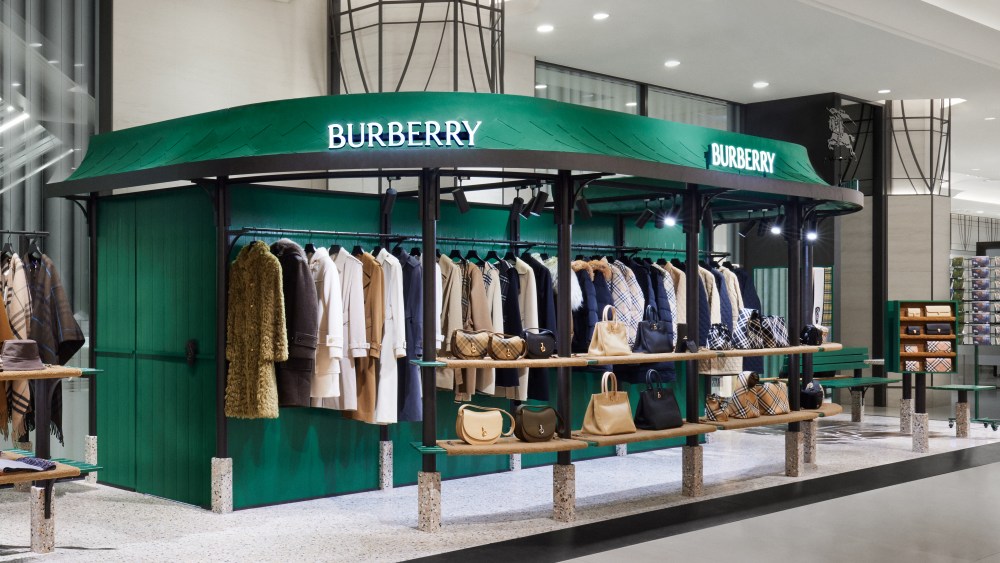
Ralph Lauren and Burberry have benefited from “an ocean of middle-class consumers trading down.”
“Mega-brands like Louis Vuitton resisting trading down and choosing instead different approaches to reignite growth — mass recruiting through sport sponsorships and launch of lower absolute price categories like beauty — have been successful to a point, despite flawless execution.”

Meanwhile, jewelry has retained strong appeal with affluent and middle-class consumers alike because “jewelry has become a lot cheaper relative to handbags and dresses. Jewelry brands were more prudent with their price increases during the post-COVID-19 boom years,” whereas many leather goods players increased prices well above historic averages, Solca wrote.
Adding to the bad situation for megabrands, “young global consumers have been under pressure – the Chinese have suffered slower macro-economic growth, while Western consumers have endured faster cost of living inflation.” What’s more, “streetwear has almost disappeared overnight.”
Still, in his view, luxury megabrands are more insulated than ones in fast-moving consumer goods and the mass market because they have deeper meaning for consumers and engender greater loyalty: “Consumers identify themselves with the values brands communicate and incarnate.”
What’s more, Europe’s luxury giants benefit from a tighter grip on distribution, higher price discipline and have learned to “avoid the trap of over-exposure and perceived ubiquity.”
“We have seen many smaller brands temporarily rise to fame and then meteorically disappear over the horizon. We have yet to see a megabrand fall off and disappear forever, at least since Pierre Cardin did,” Solca concluded.