AI has made it easy for consumers to write convincing refund claims, helping shoppers get away with behavior that retailers deem abusive, new survey findings show.
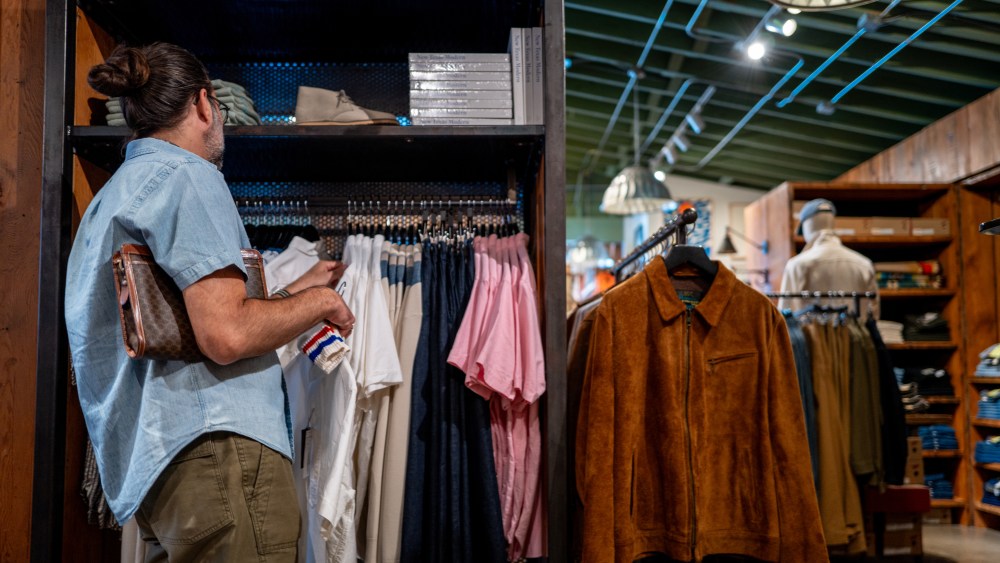
A consumer might buy a top of multiple sizes and colors, only to choose the best fit and return the rest—a practice the industry calls bracketing. Another might just wear a dress for an event, before ultimately asking for a refund (or wardrobing, in industry speak).
Regardless of the reason, nearly half of surveyed consumers (47.79 percent) said they have used generative AI tools like ChatGPT to write compelling refund claims, according to a multi-country survey from Riskified, a provider of e-commerce fraud and risk intelligence solutions, and eTail Insights, which polled 2,091 respondents in seven countries.
Over half of those queried were based in the U.S., followed by the United Kingdom (14.35 percent) and Japan (11.96 percent), and all have made at least one online purchase in the last three months. The other countries surveyed were Brazil, Singapore, Mexico, and China.
Easy or free return policies are not environmentally sustainable, with many of the items just ending up in landfills as a cost-cutting measure, and what may have given brands a competitive edge in customer service now seems to have become a double-edged sword. As the report put it, returning a product for reasons other than a defect has become a “clear social norm.”
“Generative AI tools are making it very easy for both regular consumers and professional fraudsters to abuse return policies. For merchants without the right capabilities, every individual making a fraudulent claim looks the same: a bad actor,” the report said.
These strategic returns have become normalized for consumers across countries and cultures, with 84.98 percent seeing at least some form of deceptive returning, like wardrobing, as normal behavior. Forty-six percent said it is acceptable to return an item when it doesn’t match its online photos, and 42 percent described bracketing as acceptable.
“The real question is no longer how often people return, but what they believe they are entitled to do, and how far apart that belief is from what merchants can sustain,” the report read. “Merchants increasingly see these same behaviors as unsustainable cost drivers.”
Separate research by ReBound Returns, for example, analyzed 1 million returned orders for retail clients and estimated $38 million worth of fraudulent returns. According to the returns management platform, return rates are currently approaching 20 percent of all e-commerce sales, accounting for $850 billion just in the U.S. market.
Social media has helped make it a norm, thanks to influencers. Half of the respondents on the Riskified survey said they saw return-related content on social media, with 14 percent saying they have used the “hacks” they found online and 16 percent saying they used the tactic and shared it online.
The survey, which also interviewed merchants to get their responses, said retailers are moving to tighten their return policies, with some narrowing the acceptable reasons, shortening the return window, and requiring the items to be completely unopened and unused.
“The answer, as several merchants noted, lies in data-driven segmentation: using purchase history, loyalty status, and behavioral patterns to respond appropriately to each customer,” it said.