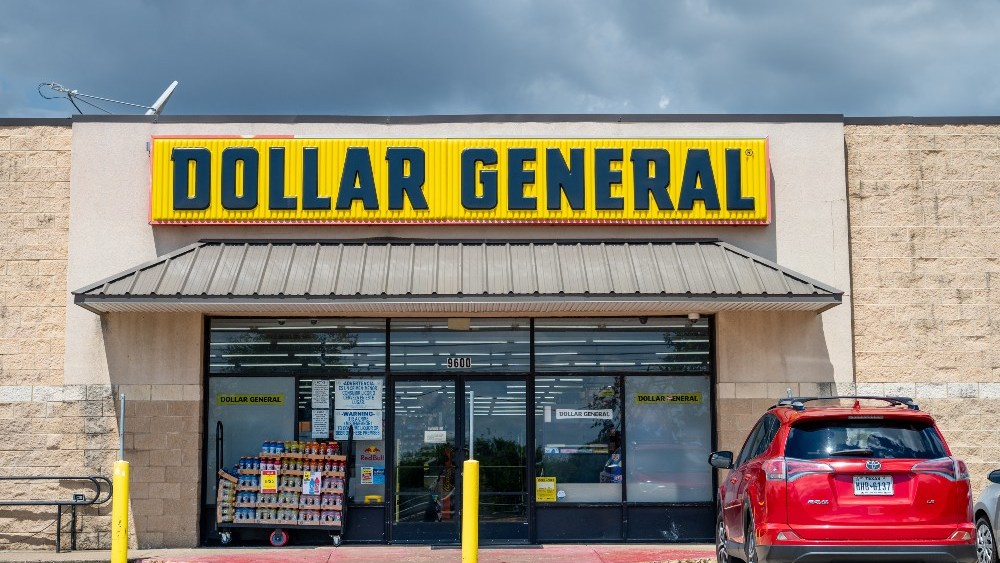
Dollar General’s problems with the Federal Trade Commission are continuing to pile up.
Ten states have signed onto a lawsuit filed by the agency in October that claimed the nationwide retailer charged consumers more for products than advertised. The initial filing included 20 states, bringing the total to 30.
The new filers include Delaware, Georgia, Kentucky, Maine, Minnesota, New Mexico, Oregon, Rhode Island, South Carolina and South Dakota to Alabama, Arizona, Arkansas, California, Connecticut, Florida, Illinois, Iowa, Kansas, Louisiana, Michigan, Mississippi, Nebraska, New Jersey, North Carolina, Ohio, Oklahoma, Tennessee, Utah and Wisconsin.
The FTC and the initial state partners accused Dollar General of falsely labeling prices and overcharging consumers. For years, the suit said, the company has perpetuated dishonest pricing practices and failed to correct the issue despite “extensive corporate knowledge” that it was a problem.
Indeed, 29,265 shoppers filed complaints with the company between 2023 and 2026, alerting executives to the fact that the prices they paid at the register were different than the ones advertised on store shelves, price tags and advertisements.
The complaint accuses Dollar General of pulling one over on vulnerable, often cash-strapped shoppers. The scheme has resulted in the extraction of millions of dollars of ill begotten revenue, the suit said.
The FTC, which is charged with protecting and educating consumers, said the corporation’s behavior violates multiple state laws along with the Gramm-Leach-Bliley Act and the FTC Act, which outlaws deceptive acts or practices including misrepresentations or omissions that are likely to mislead shoppers, as well as unfair acts or practices that cause substantial consumer injury.
A unanimous 2-0 vote authorized the FTC staff to amend the complaint on Thursday, which was filed in the U.S. District Court for the Middle District of Tennessee. A court date for Dollar General has not yet been released.
Separate from the federal case, one day before the FTC’s amended complaint was filed, Missouri Attorney General Catherine Hanaway announced that the state had resolved its own consumer deception and unfair pricing lawsuit against the company, resulting in a whopping $5.3 million dollar payout from Dollar General.
Under the settlement, $2.3 million will be paid out to the State of Missouri through the attorney general’s office, while the remaining $3 million will go to Feeding Missouri, a non-profit network of six food banks that support regional residents.
Not only is it a windfall for the state and its consumer population—it’s the biggest agreement reached by any state that has settled with an entity for a similar breach. New York prompted Dollar General to cough up $1.87 million for the same issue in October before the FTC case was filed, which went to a local food bank.
“This agreement establishes guidelines and protections so that Dollar General does not overcharge Missourians for its products,” Hanaway said. “I am proud of my office and our partnership with the Missouri Department of Agriculture for safeguarding consumers and ensuring fair prices in Missouri.”