Regional autonomy isn’t the problem with decentralized merchandising and product design. Brands localize because regional teams know their markets, accounts and customers intimately. Depending on the model, regional teams can curate from the global line or build products of their own. However, trouble arises when regional teams create on their own without thoughtful constraints.
When that happens, the result is a fragmented assortment and a muddled brand point of view in front of the customer. At headquarters, it shows up as duplicate development with its corresponding costs and negative impacts on vendor relationships. Retail Strategy group has examined the root causes of these issues, the nature of the impact and offer thoughtful suggestions to help brands get maximum advantage from their decentralized strategies.
When the common thread unwinds
Successful merchandising of an assortment needs a common thread that ties it together. For example, take the print of the season and use it in a blazer lining, a dress, a cuff trim and a silk scarf, and those pieces can be merchandised together. Anchor those with a core basic and the customer then has compelling outfit options available to them.
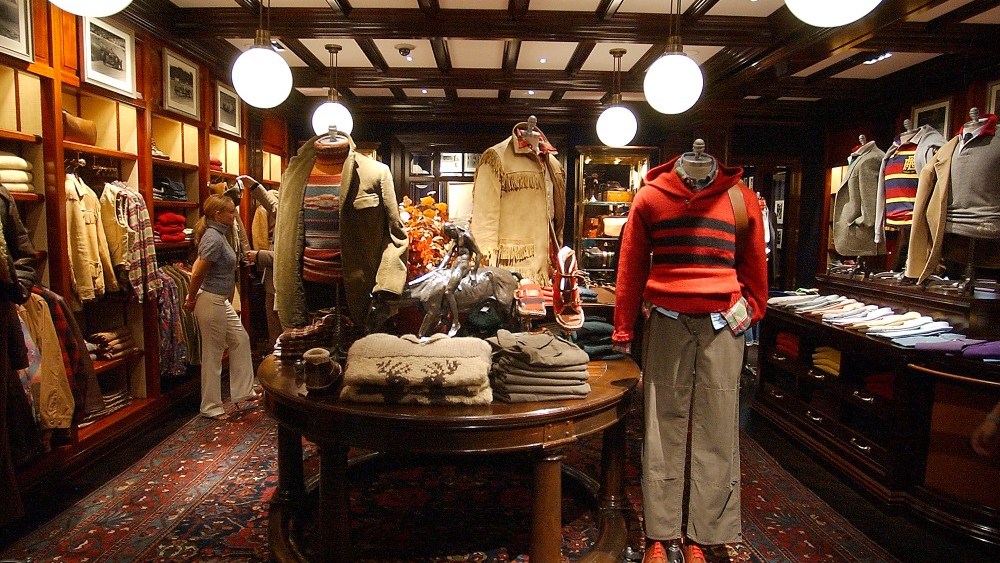
Even in decentralized models, the common thread approach is still required. But decentralization is not an “either/or” proposition; it rests on a spectrum. How tightly the thread is stitched depends on where a brand sits. At one end are models like Ralph Lauren’s, where regional merchants build assortments from the global line, with a core product mix that every region carries. Regions shape what they sell, but not what gets made, protecting brand integrity and keeping the common thread tightly stitched.
At the other end, Adidas has embraced a more market-led approach. In announcing record third-quarter 2026 results, CEO Bjørn Gulden said, “We need to be close to the consumer and their local culture, and we are convinced the only way you can achieve this is by empowering our teams in the markets.” China is the clearest proof. Gulden credits the market’s growth largely to local product development and local sourcing, and it helps that nearly everything adidas sells there is also made there. adidas has also freed its North American team to pursue its own region-specific strategy.
Both approaches work and other brands could fall somewhere in the middle of them. Any problems that emerge are not due to the model itself. Rather, it’s running a create-locally model without the discipline of a select-from-global one.
Although we like to see brands run red hot with brand heat, running without constraints can yield adverse results.
Catering to wholesale partners rather than the market
Often, the heft of a key account or strategic wholesale partner dictates the assortment. Because the wholesale business unit is incentivized to grow the value of its accounts, it is easy to believe the wholesale customer is always right. Thus, if a valuable account demands a particular style or SKU, the brand accommodates. Also, customers may shop at multiple wholesale partners and such partners may require their own exclusives. The major account is not the market and catering to the former means being unmoored from the latter.
Uncontrolled development
If every regional team makes just one extra color request or fabric change outside the global line, the brand drifts toward uncontrolled development and comes loose from its global assortment. Adding silhouettes, prints and colors on a whim across all regions causes a fracture from the seasonal concept. Each request is reasonable as a one-off request. The real damage is done when it becomes habitual across every region, then every season. Finally, many of these developments get dropped and are never used again in future seasons.
Product creation costs increase
Sourcing, sampling and other manufacturing begin to accumulate. Minimum order quantities are impossible to meet because the regional development volumes are so low. As a result, the brand incurs unnecessary surcharges and higher shipping costs for smaller quantities, inflating cost of goods sold and hurting margins. One lifestyle apparel brand accumulated over $1 million in costs over a year from dropped lab dips, strike-offs, and material samples alone. When developments are routinely abandoned, those costs compound season after season.
Excess inventory and markdowns
If uncontrolled development leads to products that don’t sell, it contributes to excess inventory. These products not only carry the added tax of surcharges, but also must be cleared out through unplanned markdowns. These excess products also carry the additional liability of being incongruent with the brand DNA, posing a perception risk.
The backwards ripple effect
The impacts of uncontrolled regional development roll up to global HQ and backwards through the supply chain to the vendor base. Vendors find themselves fielding more, smaller and less certain requests from the same brand. Global teams must absorb the workload and manage vendor relationships that are often already driven by lowest cost. Moreover, fragmented and frequently dropped developments further strains the vendor relationship while also running contrary to sustainability goals and claims.
As we have explored in previous articles, merchants and other product creation functions are rarely aware of how their product decisions (waffling, re-work or consistent overdevelopment) affect the vendor base. Nor do they see the charges vendors bill back for dropped materials and samples, because they don’t pay them directly.

The question becomes: how does a brand get control of uncontrolled developments and operate with the original intention of being decentralized? In our interactions with clients, we have found the following actions to be impactful:
Install material direction: Set the material direction for the season at the beginning of product creation. Use a materials brief to identify the materials allowed to be used to execute the seasonal strategy. Then, regional teams can create new products that only use these materials. This eliminates conflicts between regional color/material choices and the global line.
Freedom within the framework: Allow for 20 percent of regional development that must be approved by the global merch team. More than 1 region must buy into the regional development to help meet minimum order quantities and mitigate any impact from excess inventory and the related markdown activity.
The non-negotiable assortment: Globally, DTC and wholesale must buy the core assortment and some of the global fashion assortment to have consistency across the brand in every channel. Further, wholesale accounts, no matter their value, cannot be mistaken for the entire market.
No data. No exclusives. No exception: Exclusives are acceptable if they are supported by the appropriate insights and business case. Ideally, any exclusives must use an existing, proven silhouette and material.

The decentralized model for merchandising and assorting products is powerful in delivering on local preferences. However, there is a fine line between decentralized and uncontrolled. Without constraints, regional teams develop products that are not aligned with the overall brand point of view. Further, uncontrolled development means uncontrolled costs. Further, the impacts ripple upwards to Global HQ for them to manage and also backwards through an already complex supply chain.
Thoughtful constraints are necessary, and the recommendations above provide them in a simple, practical way without eroding the autonomy from the regional teams. The question for brands to ask: are we decentralized or out of control?
Led by Liza Amlani and Raj Dhiman, PhD., Retail Strategy Group helps market-leading retailers and brands tap into the most underrated opportunity in the fashion supply chain today: process innovation. The firm drives dramatic growth in profitability and full-price sales.