Sustainable apparel brand Paka is celebrating its 10th anniversary with an ambitious goal to source nearly all its raw material from natural and plant-based fibers by the end of the decade.
In a post on the company’s website outlining its next chapter, CEO and founder Kris Cody said it is targeting more than 90 percent of the fibers it uses to be either natural or plant-derived by 2035.
To do so, the B Corp-certified company will reduce its use of synthetic materials while increasing its use of other natural and plant-derived fibers such as regenerative pima cotton and hemp, according to a separate press statement.
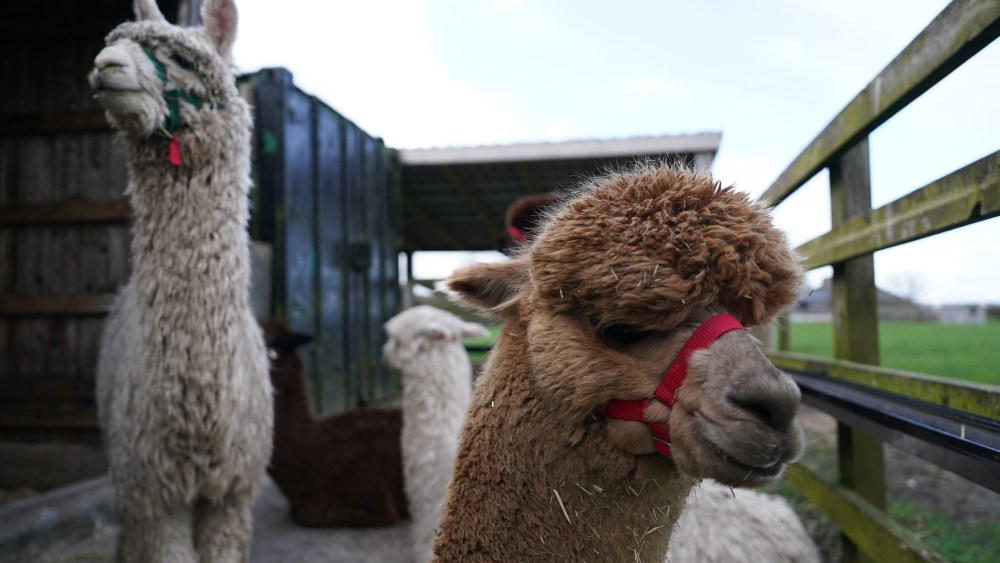
This marks the latest evolution of a company whose identity is deeply rooted in alpaca wool, grown in the Andes Mountains in Peru by alpaca farmers called alpaqueros for thousands of years. Over time, the company has expanded into other products like underwear, bras and accessories, which meant sourcing from other sustainable materials.
Paka, however, still has some ways to go before it reaches its target. At its current stage, the company has a portfolio of a little over 70 percent natural and plant-based fiber, Cody said. Not even its flagship product—known as The Hoodie—is made entirely of natural fiber.
“Even our original Hoodie contains 35 percent recycled nylon,” Cody said. “Replacing certain materials without compromising performance won’t be easy, but we believe we can get there and are going to keep pushing ourselves to figure out how.”
While officially launching in 2016, the idea behind the company could be traced back to a 2015 backpacking trip in South America during a gap year before college, where the rainy season high in the Andes mountain range prompted Cody to shop for sweaters—which eventually led him to a sweater crafted by Gregoria Yucra Chamb from the Peruvian Quechuan tribe, according to a 2022 Bloomberg report.
Drawn by the garment’s softness and story, Cody built a relationship with the Chamb family, learning about alpaca fiber, from its origins to the farmers who raise the animals. Together, they developed a prototype sweater. In 2017, Paka launched a Kickstarter campaign that raised more than $347,000—far surpassing its initial $20,000 goal.
Moving forward, Cody said each new product will be guided by four main principles: going to the source of the fiber, choosing the right partners like farmers and craftspeople, making it traceable and giving back to the communities behind the handmade products.
The company aims to maintain a clear link to its roots in Peru. In 2024, Paka launched a traceability program that covers its entire product line. Now each product has a QR code on its hangtag which links consumers to the precise coordinates where the alpaca fiber is sourced.