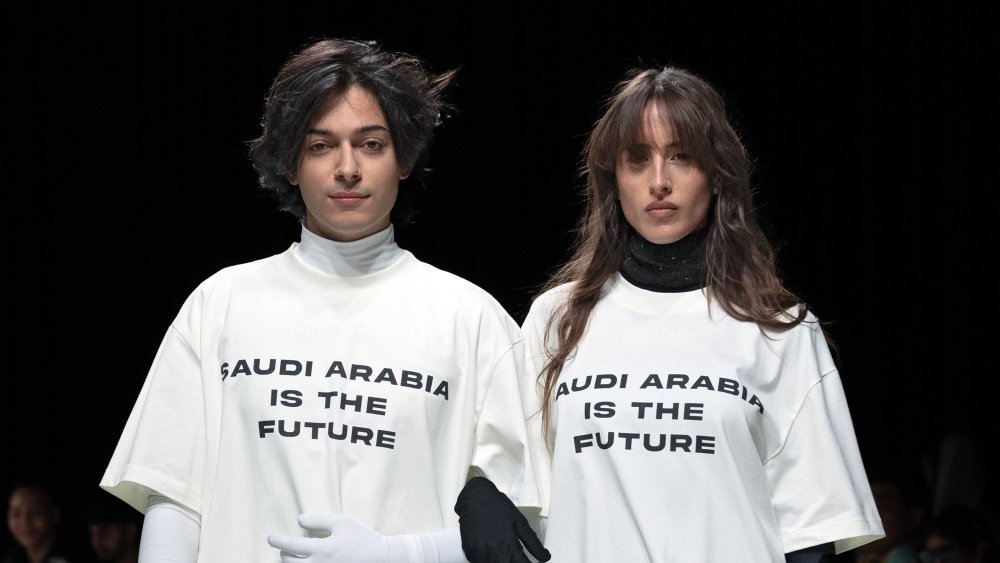
Powered by a digitally savvy younger consumer base, Saudi Arabia’s beauty market is changing rapidly — and retailers and brands alike are paying close attention.
The newest kid on the block is Ulta Beauty, which via its partnership with Alshaya Group, is gearing up to open its first store at Red Sea Mall in Jeddah later this summer, followed shortly by a second location at Riyadh Park. This comes hot on the heels of its international expansion into the UAE and Qatar.
“Saudi Arabia represents a compelling market with a passionate beauty community and strong momentum,” said Kristin Wolf, chief strategy and growth officer at Ulta Beauty, in a statement.
Related Articles

“We’re excited to bring Ulta Beauty’s differentiated business model to the market, including an assortment of first-to-market and Ulta Beauty-exclusive brands, alongside brands and services thoughtfully curated to meet the unique preferences of local guests. We look forward to welcoming guests later this summer.”
While the region is engulfed in conflict, the market is showing itself to be immune to the impact of it.
Indeed, the opportunity for beauty companies in the kingdom is significant. According to Euromonitor International, the Saudi Arabia beauty and personal care market is valued at $8.1 billion, growing 8 percent in 2025, making it the largest beauty market in the Gulf Cooperation Council. In comparison, the United Arab Emirates beauty market is valued at roughly $3.3 billion, while Kuwait was $1.2 billion.
“Saudi Arabia presents significant opportunities for beauty and personal care brands, supported by strong consumer demand and a favorable long-term market outlook,” said Amna Abbas, a consultant at Euromonitor International. “Consumers are increasingly seeking products that enhance both their beauty and overall well-being through authentic, effective and science-backed solutions.”
Part of the opportunity is its young population. The most recent figures from the country’s general authority for statistics showed that 60 percent of Saudis are under age 30.
The economic outlook is also largely positive despite the ongoing conflict in the Middle East. In June, following a visit to the country, the International Monetary Fund concluded that the Saudi economy is proving resilient in the face of the war thanks to strong fundamentals and diversified logistical and oil infrastructure, but cautioned that a “prolonged and intensified conflict could however weigh on medium-term growth and investment prospects.” Gross domestic product expanded by 4.5 percent in 2025.
At the same time, the kingdom’s Cultural Development Fund has earmarked fashion and beauty as priority sectors. This comes as women have entered the workforce in record numbers as part of social and economic reforms under Vision 2030, playing an increasingly prominent role in consumer spending.
In addition to Ulta, Sephora has been active in the nation since 2007 via a partnership with the Chalhoub Group and currently has roughly 30 locations. Harvey Nichols and Bloomingdale’s also have locations in Riyadh. Faces, the Middle Eastern beauty retailer owned by the Chalhoub Group, has around 45 locations across the country.
In terms of categories, fragrances, sun care, skin care, hair care and dermocosmetics are experiencing the strongest growth, Euromonitor said.
“Fragrances continue to hold deep cultural and historical significance in Saudi Arabia — an important part of Arab beauty. They are used not only for personal adornment but also for cultural and social purposes,” said Abbas. “Scents such as oud, frankincense and rose are highly valued, symbolizing luxury, purity and tradition. Fragrances play a vital role in both everyday life and special occasions, reflecting the region’s appreciation for sensory beauty and its long-standing influence on the global fragrance industry. This is evident in the success of brands that embrace local traditions.”
She highlighted brands such as Abdul Samad Al Qurashi, Arabian Oud and Majid Al Oud, renowned for their luxurious blends of traditional oud, musk and oriental fragrances.

As for other homegrown brands, Moonglaze, founded by makeup artist Yara Alnamlah, launched at Sephora Middle East earlier this year, the first Saudi brand to launch at the retailer. It’s also stocked in Selfridges in the U.K.
Sara Al Rashid founded her brand Asteri in 2023 with makeup and most recently launched a capsule collection of skin care. Asteri has nine stores in Saudi Arabia, in addition to locations in other countries in the Middle East. It is also now available in Ulta stores in the region and will be available in the retailer when it opens its doors in Saudi Arabia.
“The whole concept was to create something that’s for the region, from the people in the region that understand our needs. Also, to create something that’s a bit different than the expectations, because everyone that creates a brand for our region internationally is just adapting,” she said. “We’re modern women. Not all of us want a stereotypical look. We express ourselves differently, so I wanted to show the modern Arab woman in a global view.
“The Saudi consumer has always traveled and is very, very trend-driven,” she continued. “They know what’s happening. They’ll know what’s happening now in Japan, in Korea and in the U.S. So they’re very well aware of what they’re buying. They’re very knowledgeable. You can’t sell them something that they’re not convinced of.”

Bestsellers include Legacy Lipstick, Noorish Tinted Serum SPF 30 and Maha Mascara, all products that are designed to perform well in hot temperatures.
Since Asteri launched, the beauty homegrown landscape has continued to evolve, according to Al Rashid. “There was no one, and today there’s a few influencer brands. There’s a few body care brands.”
Asteri produces products internationally because Saudi Arabia does not yet have those capabilities, but she noted that some body care brands do produce scrubs and other items in the kingdom.
“We’re seeing a lot of interest in local brands. A lot of people are asking more for local brands, and the market is growing a lot,” she said.
Augustinus Bader is one of a number of Western brands in the market, entering in 2021 and currently available through Faces, Gold Apple and Nammos AMAALA.

“Saudi Arabia is one of the most dynamic and rapidly evolving luxury beauty markets in the region,” said chief executive officer Charles Rosier. “Its consumers are highly engaged, increasingly knowledgeable, and place real value on science, quality and products that deliver visible results. We see significant long-term opportunity to continue building our presence in the market.
“What has impressed us most is the sophistication of the Saudi consumer. Consumers want to understand not only what a product does, but also the ingredients, formulation and research behind it,” he continued. “They are increasingly looking for products that support healthy, radiant skin, perform well in the region’s climate and come from brands they can trust.”
As for the opportunities, Abbas said: “Saudi Arabia presents significant opportunities for beauty and personal care brands, supported by strong consumer demand and a favorable long-term market outlook. Consumers are increasingly seeking products that enhance both their beauty and overall well-being through authentic, effective and science-backed solutions — also contributing to enhancing Arab beauty (enhance authentic appearances like maintaining consumer’s long thick hair/brow, big eyes trend, for instance).”
Her advice is for brands to continue to understand the key consumer trends shaping the market — namely longevity, lifestyle-driven beauty and the digital consumer journey.
“Success will depend on delivering innovative product portfolios that address these evolving needs while adopting a holistic omnichannel strategy that enables consumers to discover, engage with and purchase products seamlessly across both online and offline channels,” she said.