Retailers and wholesalers worry that Europe’s broad interpretation of deep fakes might force them to disclose any content manipulated with AI, even when the content was not designed to mislead the public, an industry group letter read.
EuroCommerce, which counts retail giants such as H&M and Ikea among its members, asked the European Commission to distinguish AI that “materially misleads” from AI that is simply used to edit or make advertisements, for example.
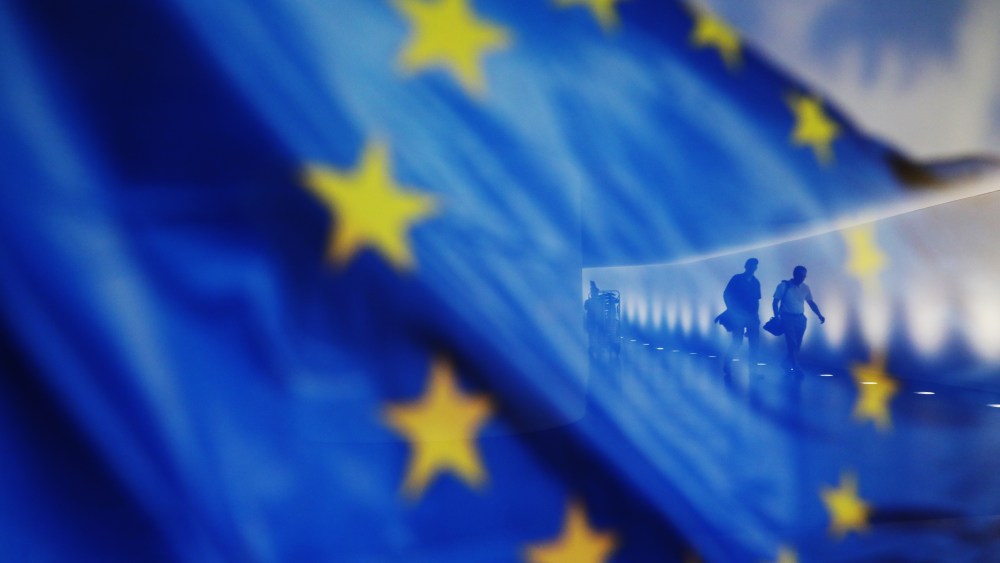
The publicly available letter, which was dated June 18, comes as Europe prepares to start implementing more regulations under the AI Act this August, including the transparency obligations requiring companies to disclose deep fakes in audio and visual content.
While the group said it agrees with having greater transparency surrounding deceptive AI content, the lack of clear guidelines might run the risk of also saddling “non-deceptive” AI applications with burdensome regulations.
“This includes practices such as product image enhancement or AI-generated marketing materials that are not intended to mislead users,” the letter read. “For example, generating an image of a living room to showcase a sofa, or enhancing product visuals for presentation purposes.”
Commercial content should not be counted as deep fake, the group said, when it is “not intended to mislead, impersonate individuals, or undermine fundamental rights.”
The industry group, which speaks for the trade bloc’s retail and wholesale sectors, said the commission should “clearly distinguish between content that is materially misleading” and “ordinary commercial content that is AI-edited for presentation.”
Otherwise, this would obligate “a very large share of AI-assisted content” to comply, diluting the point of transparency, not to mention inducing “disclosure fatigue” and undermining consumer trust, said EuroCommerce.
“Without clear and contextualised thresholds, even minor editing could trigger deep fake obligations, leading to legal uncertainty and inconsistent application,” it said.
The letter, written by the group’s director general Christel Delberghe, was addressed to Henna Virkkunen, executive vice-president at the commission. “This could lead to indiscriminate labelling, reducing the clarity and usefulness of disclosures for consumers, while also creating disproportionate compliance burdens for companies,” it warned.