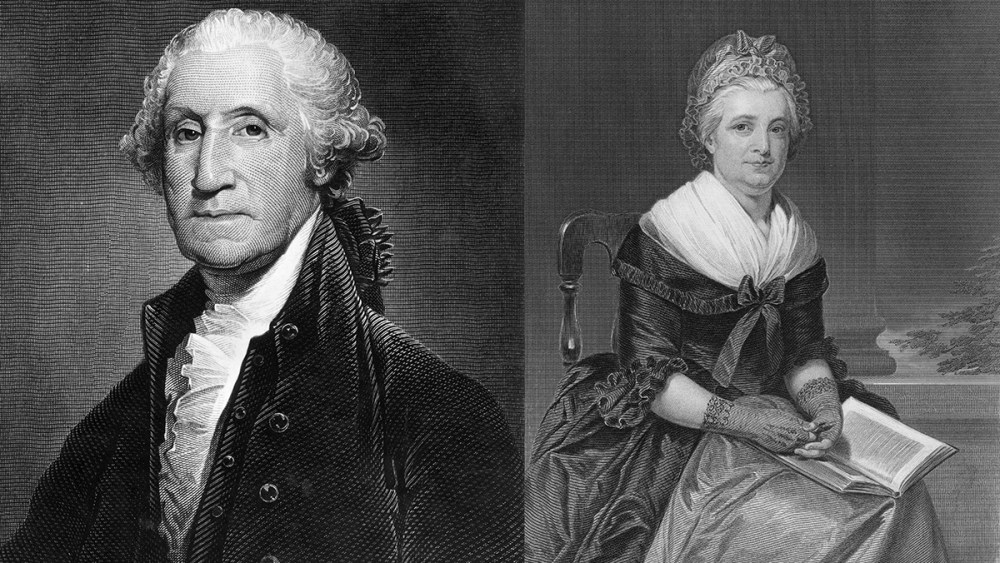
In the early days of the new Republic, politics and dress were already inseparable in shaping America’s identity. The fashion choices of President George Washington and First Lady Martha Washington set a powerful precedent for national pride.
Washington’s inaugural suit, deliberately commissioned in homespun Made in America fabrics, and Martha’s understated daily wardrobe sent a clear message: luxury imports like silks, wools and fine lace had no place in the new USA. Their conscious embrace of domestically made clothing helped define the nation’s social conscience in the aftermath of the Revolution and laid the groundwork for a distinctly American public identity.

The Antebellum era cast fashion as a marker of class, visually separating the elite, the working class and the enslaved, largely through America’s defining crop: cotton.
You May Also Like
While cotton remained tied to slavery and labor inequity, its versatility was undeniable. From fashionable dress — wide skirts, petticoats, aprons, corsets, bonnets, and kerchiefs or bandanas — to household goods and beyond, its widespread use fueled the growth of the fashion industry as the first wave of the Industrial Revolution shifted production from handmade to machine-made.

Innovation revolutionized industry, expanding the availability of goods and services. One of the earliest turning points came with Eli Whitney’s cotton gin, patented in 1793. The machine dramatically expanded cotton production, shifting it from an exclusive crop to a cheaper and more widely used fiber.

By the early 1800s, the production of fashion had changed. Though most clothing remained custom-made or homemade, often incorporating Indigenous techniques, overall style were still shaped by French and British court dress. Trends reached American consumers through colorfully illustrated fashion plates and French dolls. As transportation improved and the economy grew, palatial dry goods stores — the first department stores — rose in urban centers like New York City, marking the start of a much larger retail shift.