
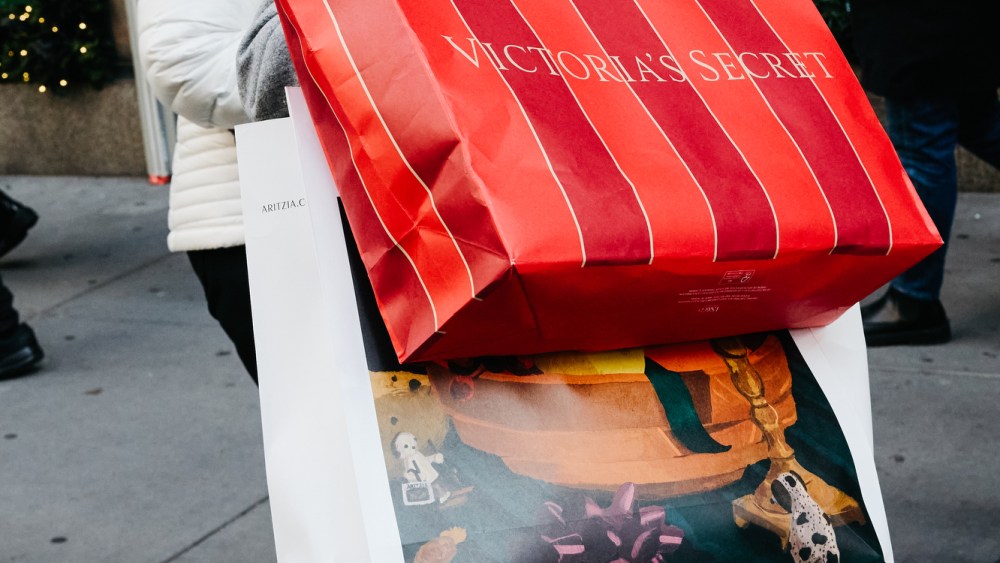
While the calendar says “August,” it’s never too soon for retailers and brands to get a read on the consumer mindset for the 2026 holiday shopping season. Carrying over from recent consumer surveys for the back-to-school season, the holiday shopping season is also likely to see more cautious and value-minded shoppers, where inflation and tight budgets impact spending.
In a survey of consumers in the U.S., researchers at Alchemer, a customer feedback technology company, also found a strong desire for shopping in physical stores this year. Consumers polled said they plan to shop in person at brick-and-mortar stores rather than make purchases online. They are also increasingly turning to AI in their shopping journey.
Brian Henley, vice president of research services at Alchemer, said the company’s research shows that shoppers “don’t expect retailers to reinvent the shopping experience; they just want them to get the basics right. Consumers are spending more carefully, using AI more often and expecting every interaction to be seamless. Retailers that offer a great experience in store and online while delivering good value will have a clear advantage this holiday season.”
Some of the topline data points from the survey showed that 35.8 percent of shoppers said they plan to shop in physical stores this season, while 31.1 percent said they expect to shop online on retailer sites and/or apps. Just over 19 percent of those polled anticipate an even mix of online and in-store shopping.
The report’s authors said economic pressures are setting the stage for holiday shopping in 2026, as shoppers carefully evaluate every purchase. The data showed that 38.2 percent of respondents said tighter budgets will have the biggest impact on their holiday spending, while 27 percent expect rising prices to influence their purchasing decisions.
“Nearly seven in 10 shoppers (69 percent) rank price and value among the most important factors when deciding what to buy,” the report’s authors said, adding that significant price increases “are the leading reason shoppers say they would abandon a retailer they otherwise like.”
Other factors impacting loyalty and customer satisfaction include hidden fees and stockouts. Of those polled, 41 percent cited out-of-stock items as the biggest shopping frustration, while 32.3 percent cited hidden fees. Just over 30 percent said slow checkout experiences were their biggest frustration.
Regarding AI, 48.5 percent of respondents said they used an AI tool to research a purchase during the past year, but only 35.4 percent said they trust AI-generated shopping recommendations. And 42 percent believe online reviews may be fake or influenced by AI.
For apparel brands and retailers, the implications of these findings is clear. Retailers need to focus heavily on perceived value by emphasizing quality, durability and cost-per-wear rather than relying solely on premium pricing. And promotional strategies need to include bundle pricing and targeted discount tiers, which will be crucial to prevent churn.
As shoppers seek physical stores this upcoming holiday, retailers need to ensure brick-and-mortar stores are well-staffed and neatly merchandised as well as stocked with in-demand inventory. There also needs to be seamless omnichannel alignment.
Retailers and brands should also focus capital on operational fundamentals such as quick checkout lines, clear return policies, accurate order fulfillment and knowledgeable floor staff. Gimmicky marketing or overly complex store tech will take a back seat to consistent customer service and hassle-free shopping journeys.
Lastly, retailers and brands should integrate AI to solve real pain points such as AI-driven size recommendations, smart conversational search and gift-finder assistants, as well as personalized value offers—rather than deploying tech for tech’s sake.