PARIS — Luxury fashion has hit a rough patch. After years of price increases and a post-pandemic surge in “revenge spending,” brands have since struggled to maintain the momentum that once seemed unstoppable.
Global spending on personal luxury goods reached 358 billion euros in 2025, according to Bain & Company, down 2 percent from the previous year at current exchange rates.
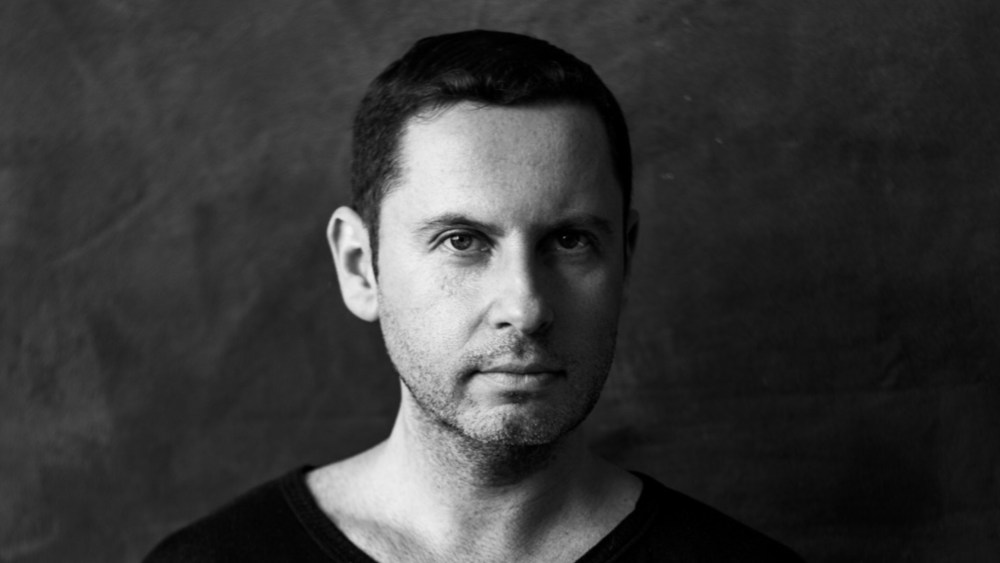
For author Eugene Rabkin, the problem isn’t simply economic. In his new book, “Torn: Fashion and Postmodernism,” he argues that the industry’s pursuit of growth has come at the expense of the creativity that once made fashion culturally important.
Rabkin argues that the market’s push for constant growth has pushed luxury brands to expand their customer base by selling increasingly rote products and marketing them as luxury.
You May Also Like
“I think the consequences were very much intended,” he told WWD. “They are businessmen, so they’re operating by the logic of the business, which is constant expansion. If you want to increase revenue every quarter, you will be pulling more and more people into your orbit. If you want to pull more and more people into your orbit, you will be giving them what they already know, and then marketing it as luxury.”
That, he argues, has blurred the distinction between designer fashion and luxury apparel and resulted in the “merchification” of fashion.
“The entire premise of democratization actually felt more like a marketing ploy than anything. Democratization became called ‘fashion,’ which is just familiar archetypes that really lack fashion design, but that satisfied mass taste because they were familiar, with the logo being the primary signifier of what luxury is, and that’s what people bought, I think, by and large.”
The distinction matters as luxury prices have soared since before the pandemic. Prices of luxury products at major brands rose 54 percent between 2019 and 2024, according to HSBC data. One example cited in the report is of a large Chanel flap bag, which now lands upward of $11,000, up over 90 percent from its 2019 price.
Rabkin does not believe luxury itself needs reinventing. True luxury, he argues, remains the fairly straightforward creation of “garments that are extremely well made by skilled craftsmen using high-quality fabrics.”
That is different from an $800 T-shirt whose luxury credentials are price and visible branding.
Rabkin also argues that luxury houses should take greater creative risks on the runway, even if the resulting products have to be simplified for stores. He points to Comme des Garçons and other independent designers as examples of brands that can put something “more out there” on the runway and then translate that into commercially viable products.
“Why not create a strong proposition on the runway, a clear aesthetic signature, and then simplify it by the time it gets in stores?”
He sees a similar problem in the way successful products are sometimes reworked to make their branding more obvious. When Jonathan Anderson’s Puzzle bag became successful at Loewe, some leather handles were changed to fabric versions carrying the brand’s logo.
“That was a very telling moment,” Rabkin claimed. “You don’t trust your customers. You think they just want the logo.”
The consequences are showing up in the shrinking pool of aspirational buyers given growing macroeconomic pressures. Bain estimates that luxury’s global consumer base fell to around 340 million people in 2025 from 400 million in 2022, with another 20 million to 30 million at risk of leaving the market.

Rabkin is particularly concerned about “fashion enthusiasts” that care about designers and ideas and can help create cultural influence beyond their own spending.
“Fashion enthusiasts have turned away from fashion,” he contended, at the same time that aspirational customers have been pushed out by higher prices.
Luxury is also competing with new ways to signal status, while the “Ladies Who Lunch” crowd are now clad in Alo or other sporty-lifestyle brands. Travel, wellness and other experiences continue to attract discretionary spending, according to Bain’s data.
Rabkin is skeptical that the current chess game of creative-director moves will fix the problem.
“If we can just keep pushing the same candy, but we just change the candy wrapper, that’s what will work,” he said, describing the logic he sees at some houses. “Instead of realizing that you’ve been selling the mass market candy that just doesn’t taste good.”
He believes luxury companies don’t need to curb their business — and shareholders’ — ambitions, but should recognize and support a fashion ecosystem where indie designers can take risks, gain visibility and make fashion exciting again.
“It was Alexander McQueen and John Galliano that made LVMH exciting. It’s not the other way around,” he claimed.
“Torn: Fashion and Postmodernism” will be published on Tuesday.