Just when shoe brands and retailers thought it was safe to breathe at least through Jan. 10, while hoping for a second suspension of heightened duties, the U.S. on Wednesday announced new Section 301 tariffs.
Word surfaced earlier this week that a new round of duties could be unleashed, with the new tariffs based on the conclusions from an eight-month probe by the Office of the U.S. Trade Representative (USTR) that certain trading partners promoted practices that resulted in excess manufacturing and production capacity on goods exported to the U.S.
The Wall Street Journal first reported on the planned tariffs on Tuesday. In total, 16 countries were part of the probe, and the majority are those that are connection to the apparel and footwear sectors. The countries include Bangladesh, Cambodia, China, European Union, India, Indonesia, Japan, Malaysia, Mexico, Norway, Singapore, South Korea, Switzerland, Taiwan, Thailand and Vietnam. Eight on the list — Bangladesh, Cambodia, China, European Union, India, Indonesia, Malaysia and Vietnam — are among the countries that have shoe production capabilities.
You May Also Like
The new duties could go as high as 20 percent. China, being a key target, could see another round of duties that could go as high as 20 percent on top of existing tariffs. Or, China duties could go on hold should an agreement be reached for a second extension.
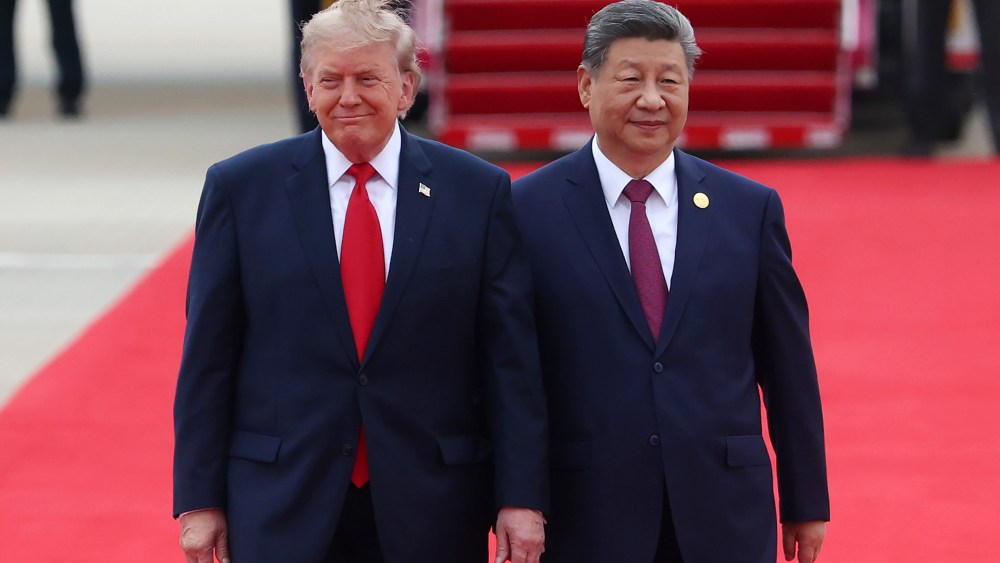
The one-year reprieve shoe firms received last year between the U.S. and China was set to expire on Nov. 10, 2026, but the two countries agreed to a short extension through Jan. 10, 2027, when U.S. President Donald Trump and China President Xi Jinping met at the White House in September.
Trump was in Shenzhen, China, last week for the APEC (Asia-Pacific Economic Cooperation) summit. There was hope that the two leaders in an off-site meeting would discuss the possibility of a second pause of their trade truce. Trump is expected to host Xi Jinping next month at the Group of 20 summit in Florida. Whether a discussion over another pause could occur is anyone’s guess.
“The federal government’s own research found that Section 301 tariffs were passed through almost dollar-for-dollar to U.S. importers. That means another 10 percent tariff is another 10 percent cost increase on affected footwear imports,” said Matt Priest, president and chief executive officer of Footwear Distributors and Retailers of America (FDRA). “Footwear already faces some of the highest tariff rates in the U.S. tariff code, so our biggest concern is affordability, especially for families buying children’s shoes, one of the most frequent and essential purchases parents make.”
Priest noted that after years of Section 301 tariffs, the evidence is clear that this tariff policy has failed and has “increased costs for both American businesses and consumers, while leaving footwear among the most heavily taxed consumer products in the country.”
The FDRA president also note that the recent midterm elections has reinforced the fact that Americans want lower costs and they want their government “focused on making everyday necessities more affordable.”
One source told Footwear News that machinery is one of the targeted sectors for Vietnam. While China is expected to see the steepest increase, one can’t rule out steep increases for other countries as well. That could trigger another reset on whether shoe brands should move production again and where, or maybe not at all.
A Goldman Sachs report on tariffs from its economic team said that the USTR will hold a Jan. 25 hearing on the proposal, suggesting implementation in late February or March. It also said that the European Union could face a 15 percent rate, while Vietnam’s rate could go as high as 20 percent, but only if a trade deal is reached. If not, then Vietnam’s rate would climb higher to 35 percent. India’s rate is set at 25 percent, but will go lower if a trade deal is reach. The Goldman report said that other Asian exporters, such as Bangladesh, Cambodia and Indonesia, could see a rate closer to 18 percent.