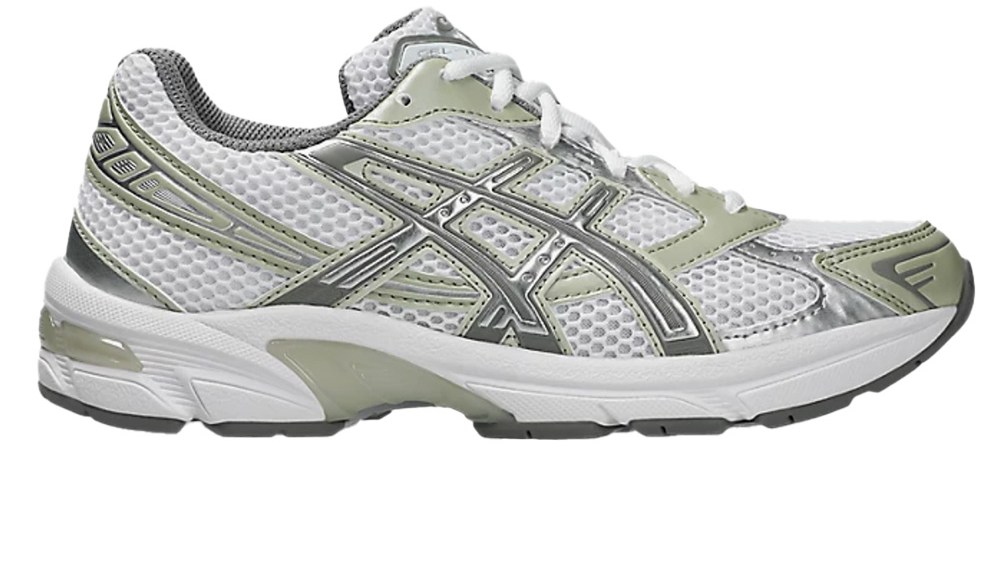
The lack of sneaker newness is giving Asics and its Gel-1130 retro runner shoe some additional growth for back-to-school sales, according to a report from Stifel.
That’s the good news, at least for Asics. Another finding in Stifel’s 2026 back-to-school footwear survey was that the popular On and Hoka brands were a “tough sell” for the younger consumer base.
But the bigger problem overall for this year’s bts season is the dearth of new innovation.
“The space is more competitive than five years ago, and we look for forward newness to reinspire consumer engagement and volume demand,” wrote lead analyst Peter McGoldrick. He said the 2026 bts season had one key glaring highlight, and that was a lack of newness.
You May Also Like
The most popular products still fit the “same hoops classics/retro runner rubric from 2025,” the report said, noting that the top products — Air Force 1, Samba, new Balance 9060, Jordan Retros, and Vomero 5 — are all established franchises.
“We look for innovation and fresh styling to stimulate incremental volume demand or drive a broader fashion cycle — that didn’t happen this year,” McGoldrick wrote.
Stifel analysts either visited or called 110 stores to gather data on the popularity of athletic footwear styles for both boys and girls in the important bts selling season. The retailers in the checks were Dick’s Sporting Goods, Academy Sports + Outdoors, Foot Locker, Finish Line/JD Sports, Champs, and Hibbett Sports.
The data points indicated that Nike remains No. 1 for brand popularity, with Air Force 1 in the top spot as the most frequently mentioned shoe. McGoldrick wrote that Nike’s hoops classics are legacy sportswear products that have been in the top five for several years. He noted that Nike brand offerings, including Jordan, were cited as the most popular styles in 45.8 percent of checks. That said, the preference would have been to see different styles and platforms resonate with the youth audience, the analyst concluded, adding that it sees hoops classic concentration as a “risk to revenue growth.”
Rounding out the top three were New Balance and Adidas, but both these brands also lost some market share from year-ago levels.
As for New Balance, the brand was cited as the strongest in the retro running trend. However, a 10.9 percentage point decline year-over-year indicated to the Stifel analyst that the retro running “category is broadening past a single winner as competitors release their own retro franchises.” The primary beneficiary from the broadening retro running category was Asics and its Gel-1130 shoe. One concern McGoldrick noted that was the momentum in retro running appears to be stalling since there was only modest growth year-over-year from bts 2025, suggesting a “potential peak point has been seen.”
In the case with Adidas, which lost 7 percentage points year-over-year, McGoldrick said that the reduced year-over-year popularity in terrace styles — Samba, Campus — hurt the brand’s popularity. He said the lack of product innovation and the continued prevalence of the Samba “makes us believe there is limited pathway for forward growth in this consumer environment.”
The checks also showed that On and Hoka remain underpenetrated in the youth lifestyle segment. “On is recognized as the most popular brand in just 3.3 percent of checks,” the analyst noted. “Hoka most popular in 0.5 percent [of checks.] Style mentions declined for both brands, suggesting a mismatch in occasion, price, and demographics.”
McGoldrick also wrote that Vans styles were referenced as most popular in 1.1 percent of checks. But a caveat that he noted was that the survey focused on athletic specialty and sporting goods channels, which are not core to the Vans business.
The slowdown in athletic footwear sales was noted earlier this year in European sporting goods data, which also noted an increase in promotions to clear some inventory.
More recently, JD Sports last Thursday posted second quarter results that reflected slower shoe sales amid a weak consumer sentiment backdrop. That raised enough concern that saw at least one Wall Street analyst a day later question the possibility of decelerating comp growth at Foot Locker. And on Tuesday, when Foot Locker parent Dick’s Sporting Goods reported its second quarter report, executive chairman Ed Stack said the the footwear lifecycle among sports brand is experiencing a “hangover” as sales slow and promotions increase. “I think the market is going to continue to be promotional through the balance of the year,” Stack said.